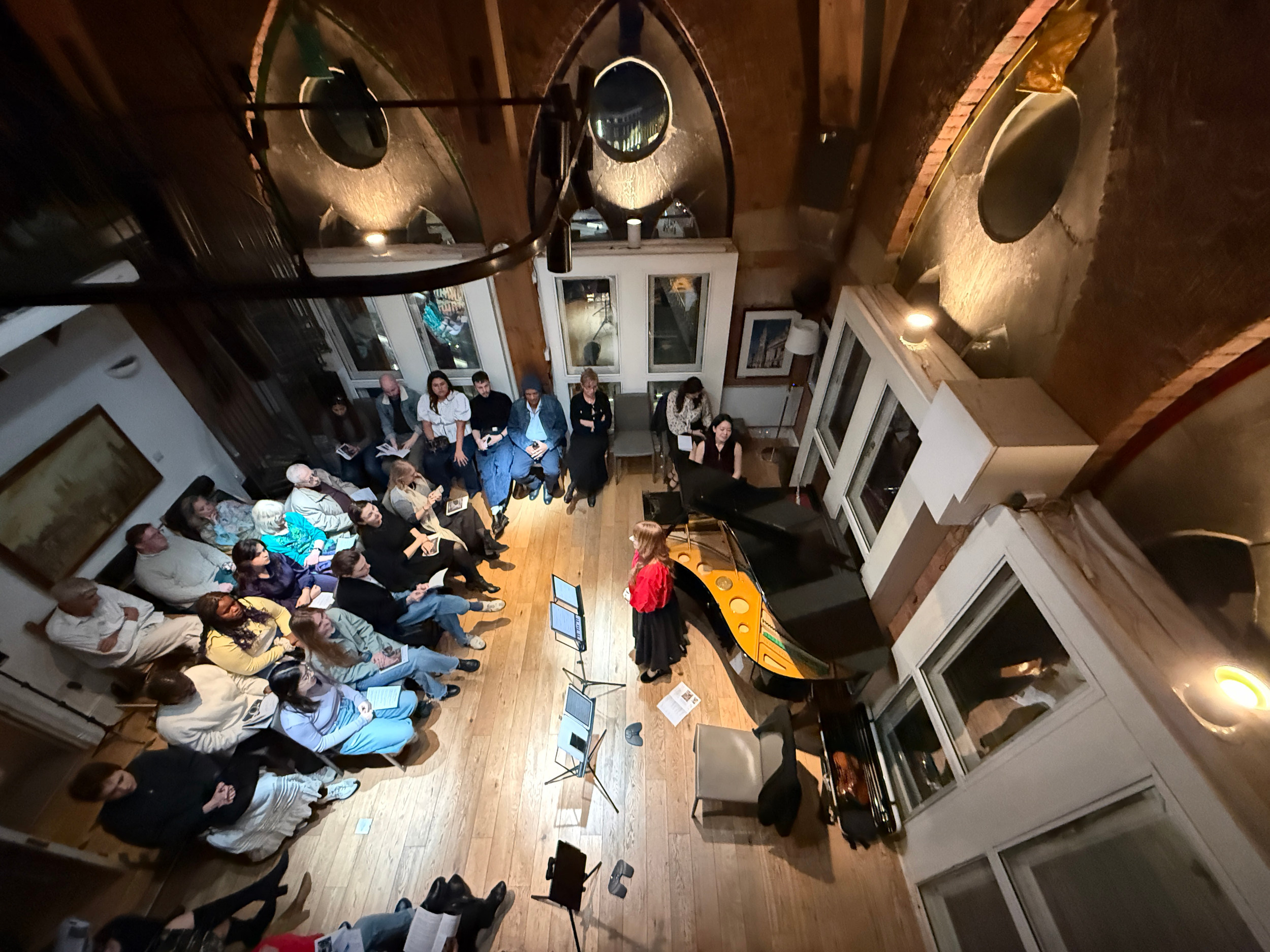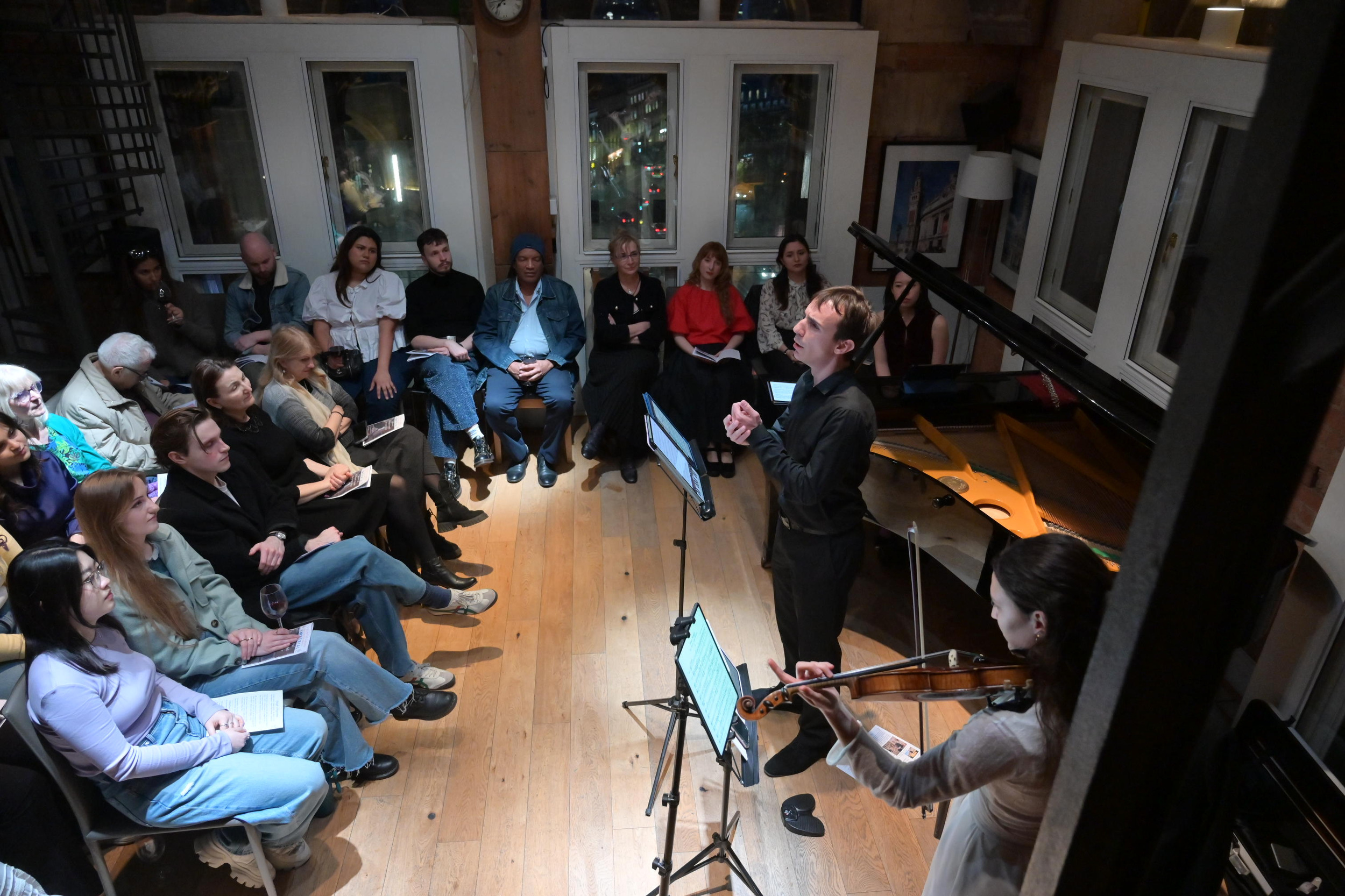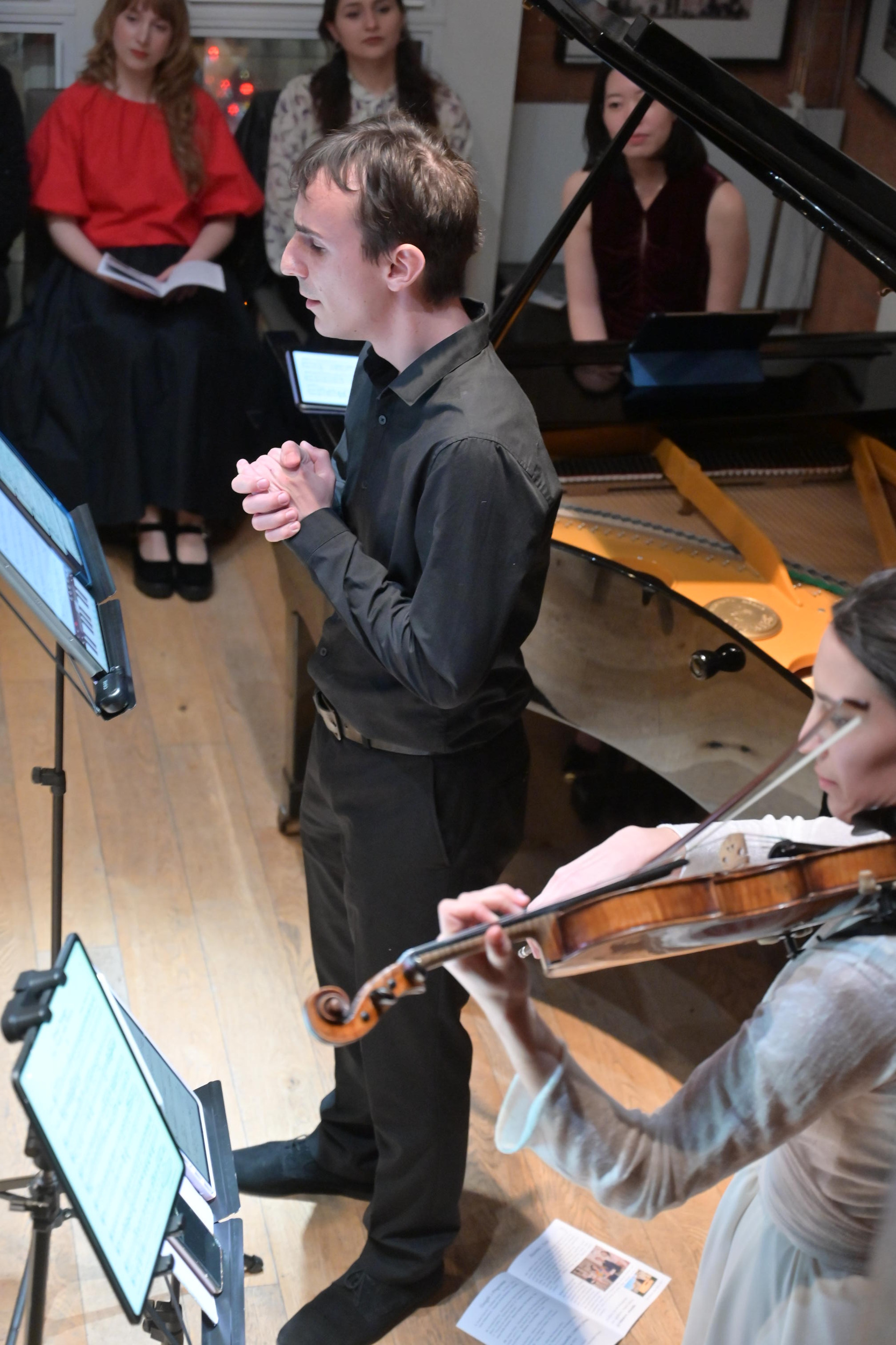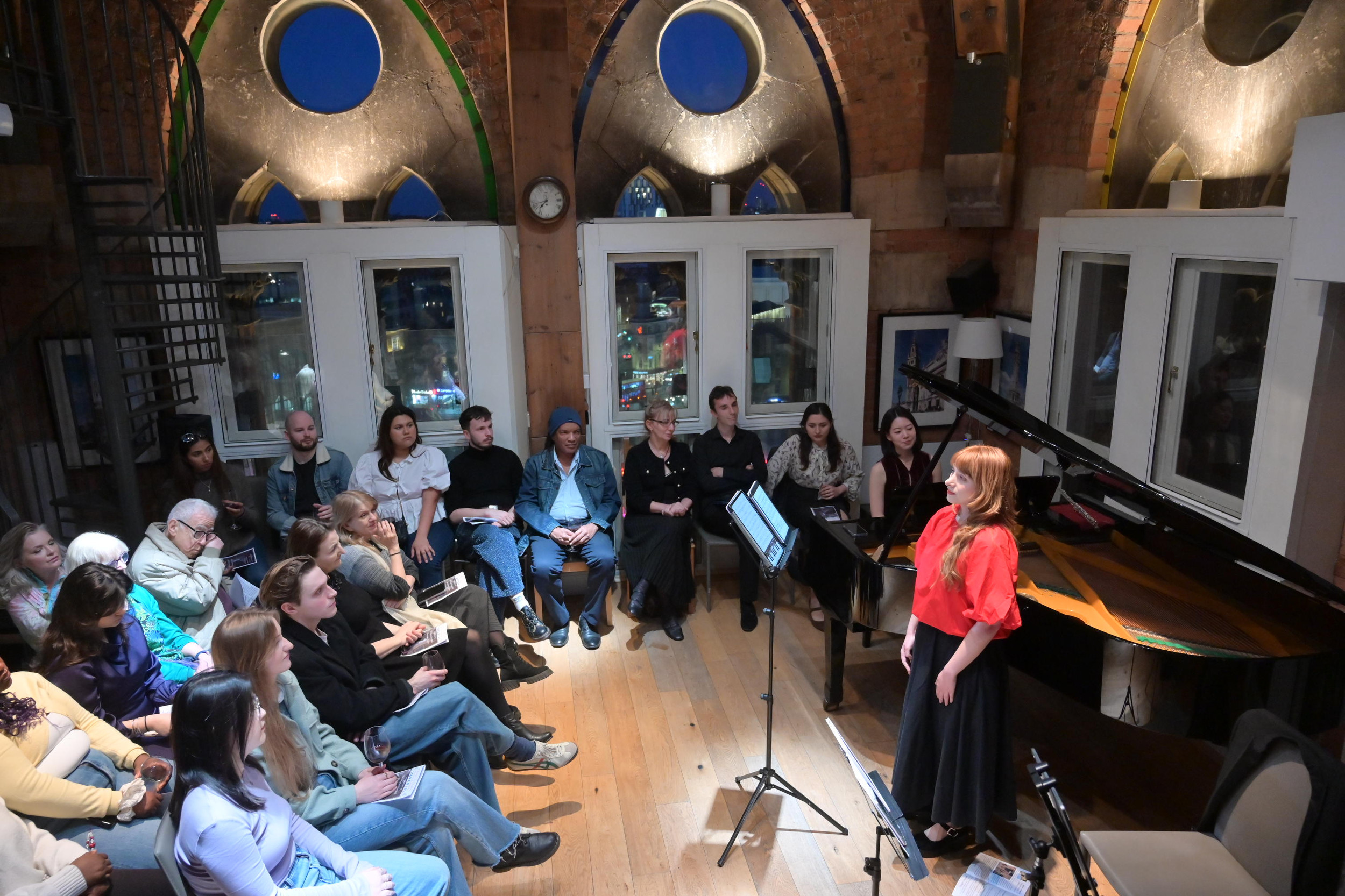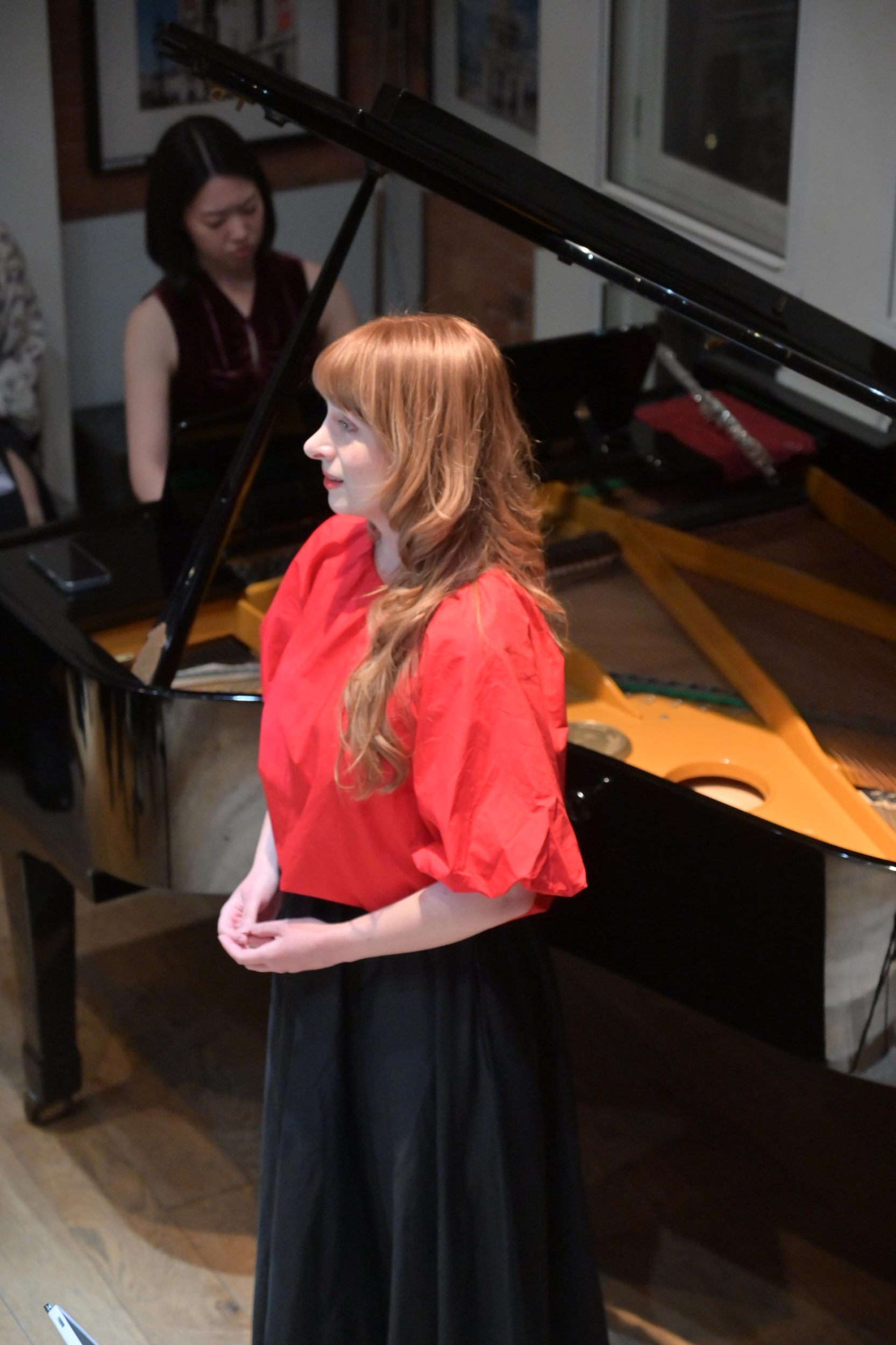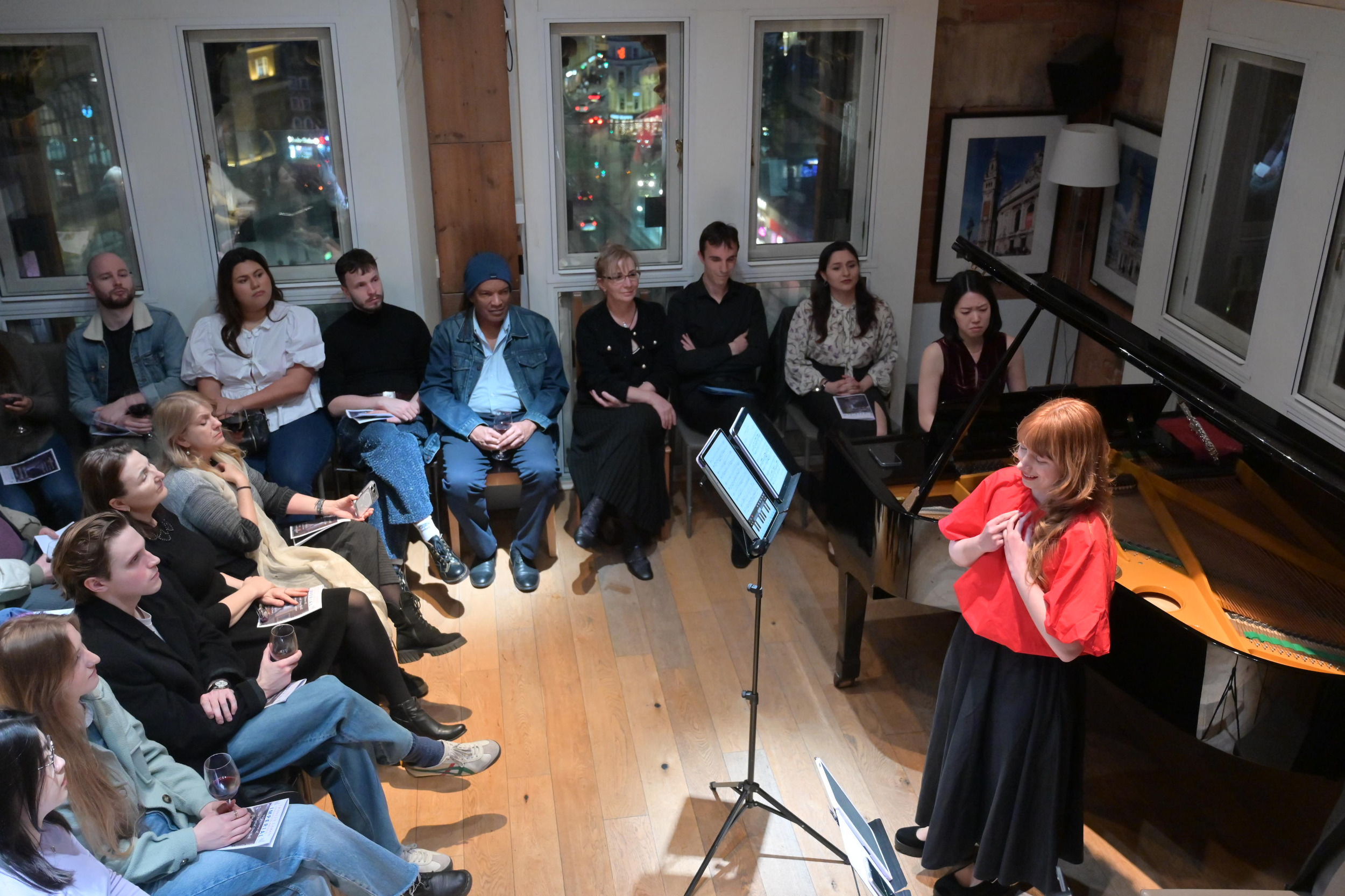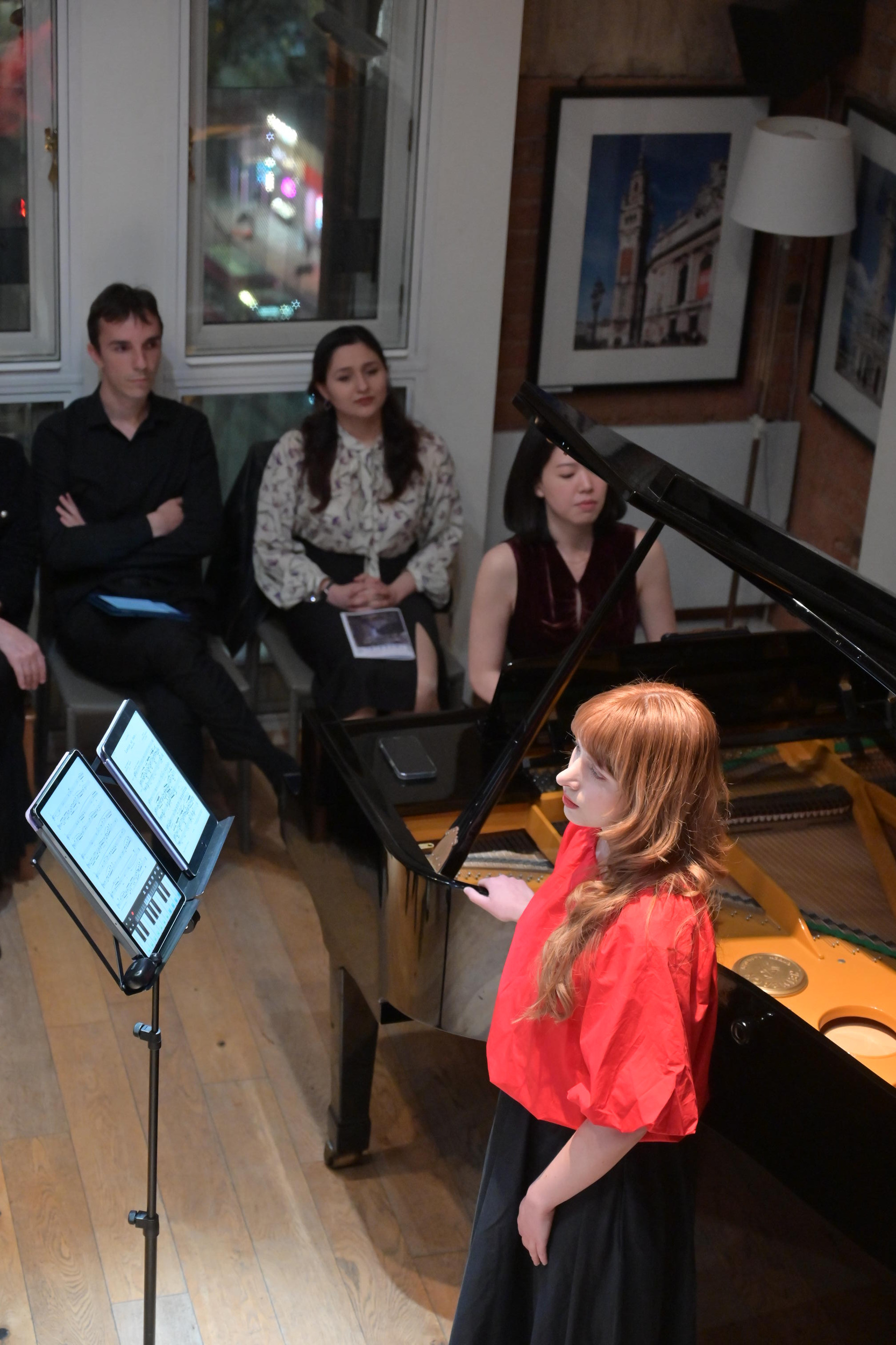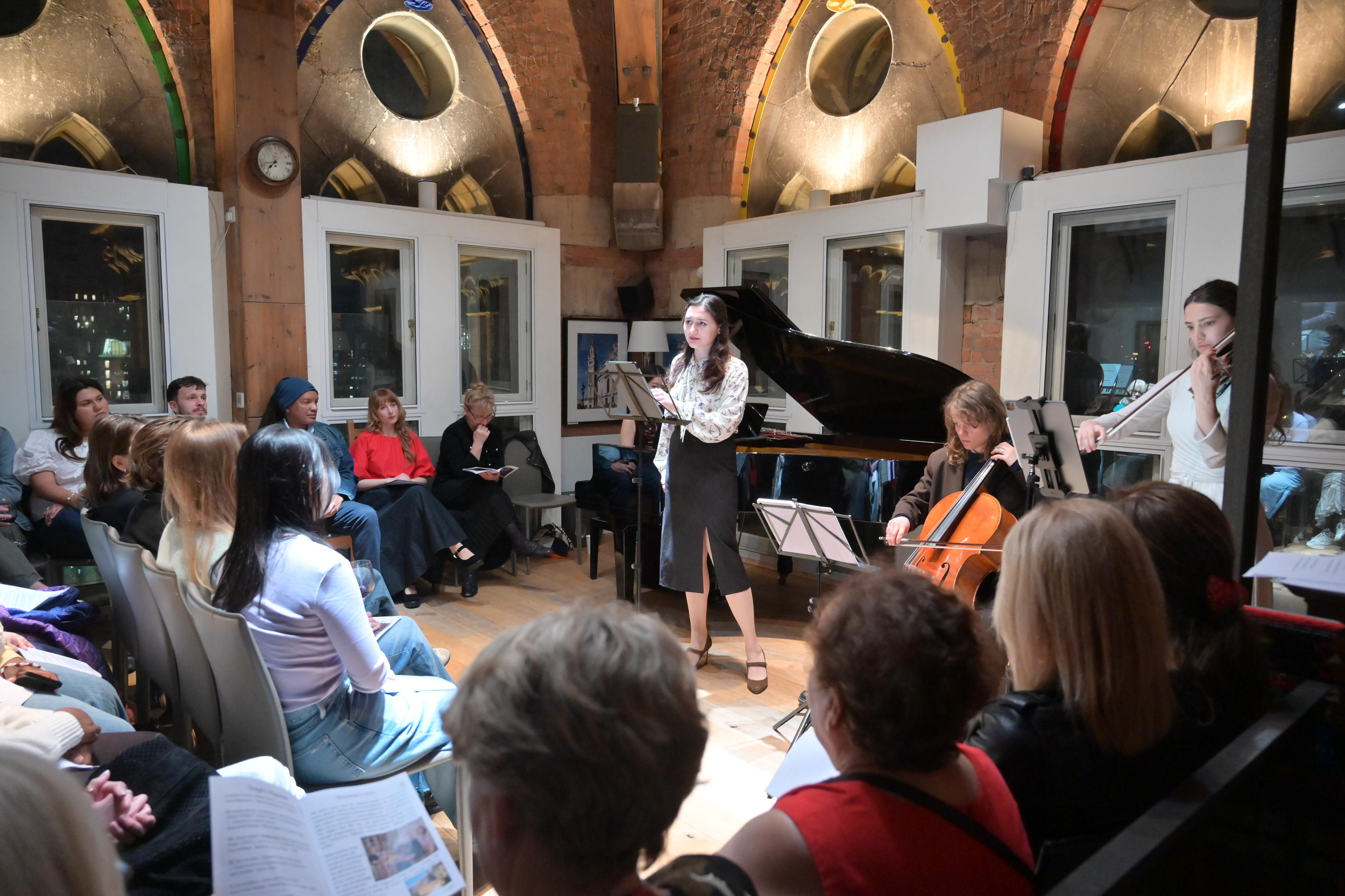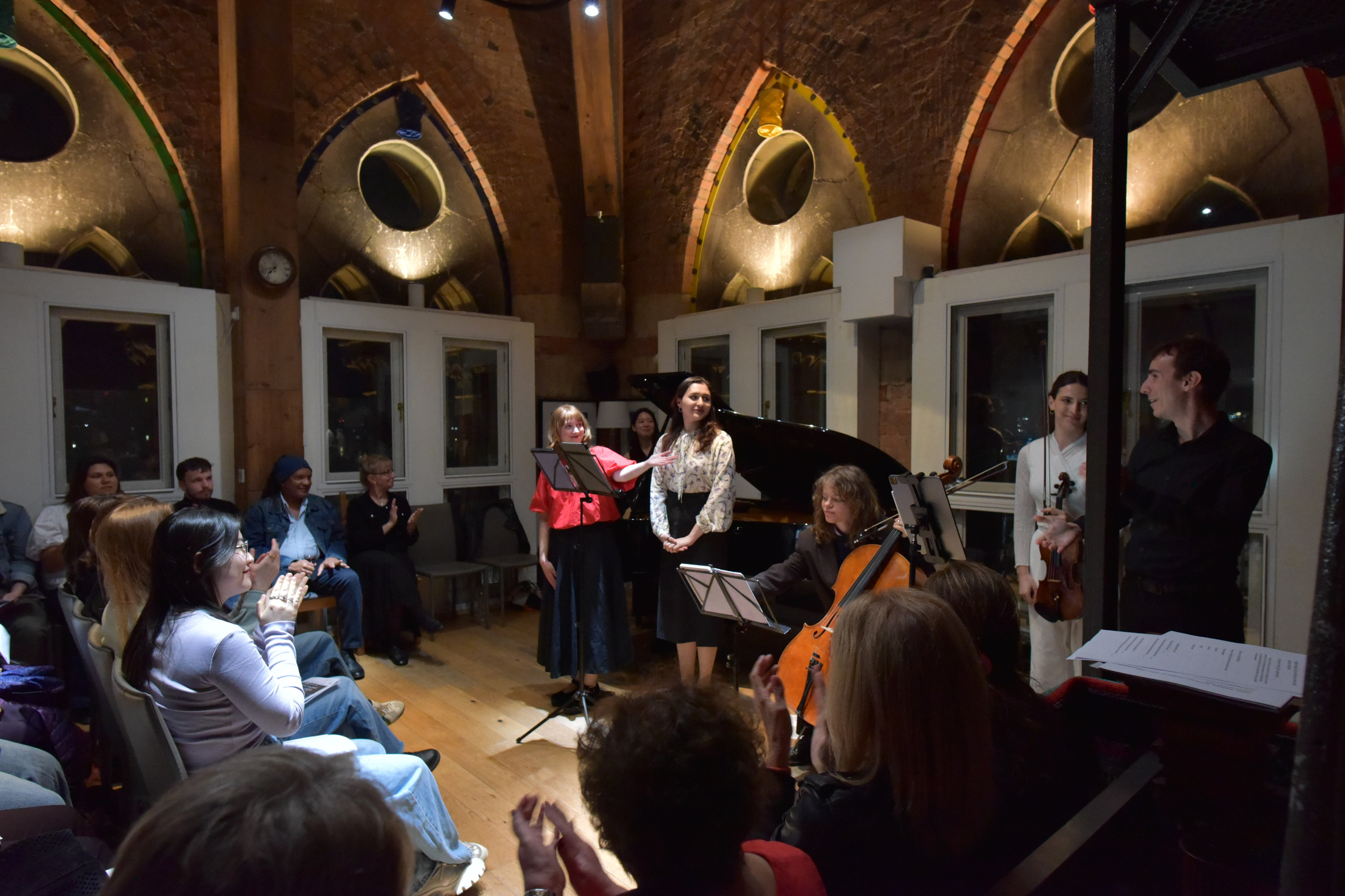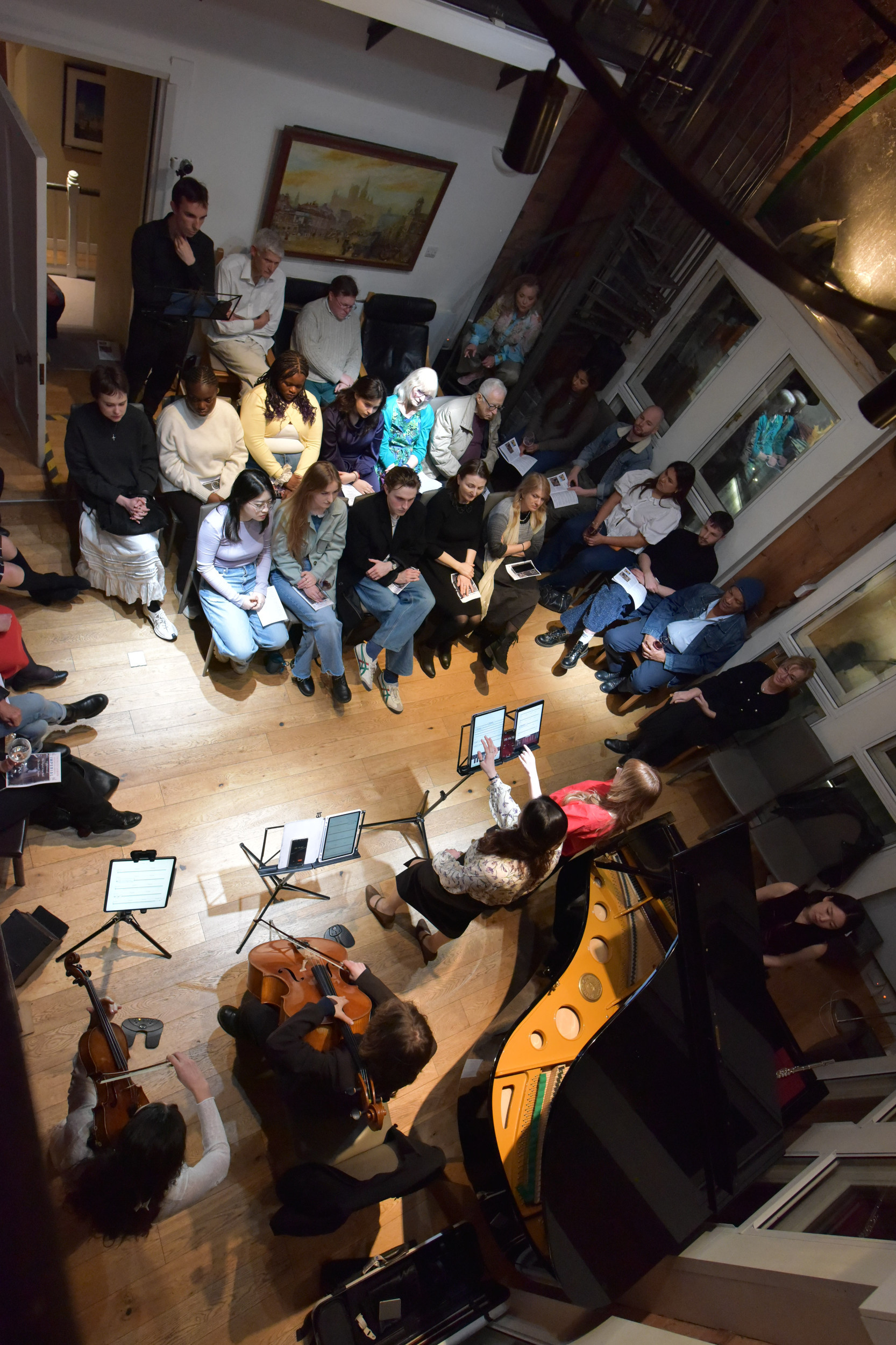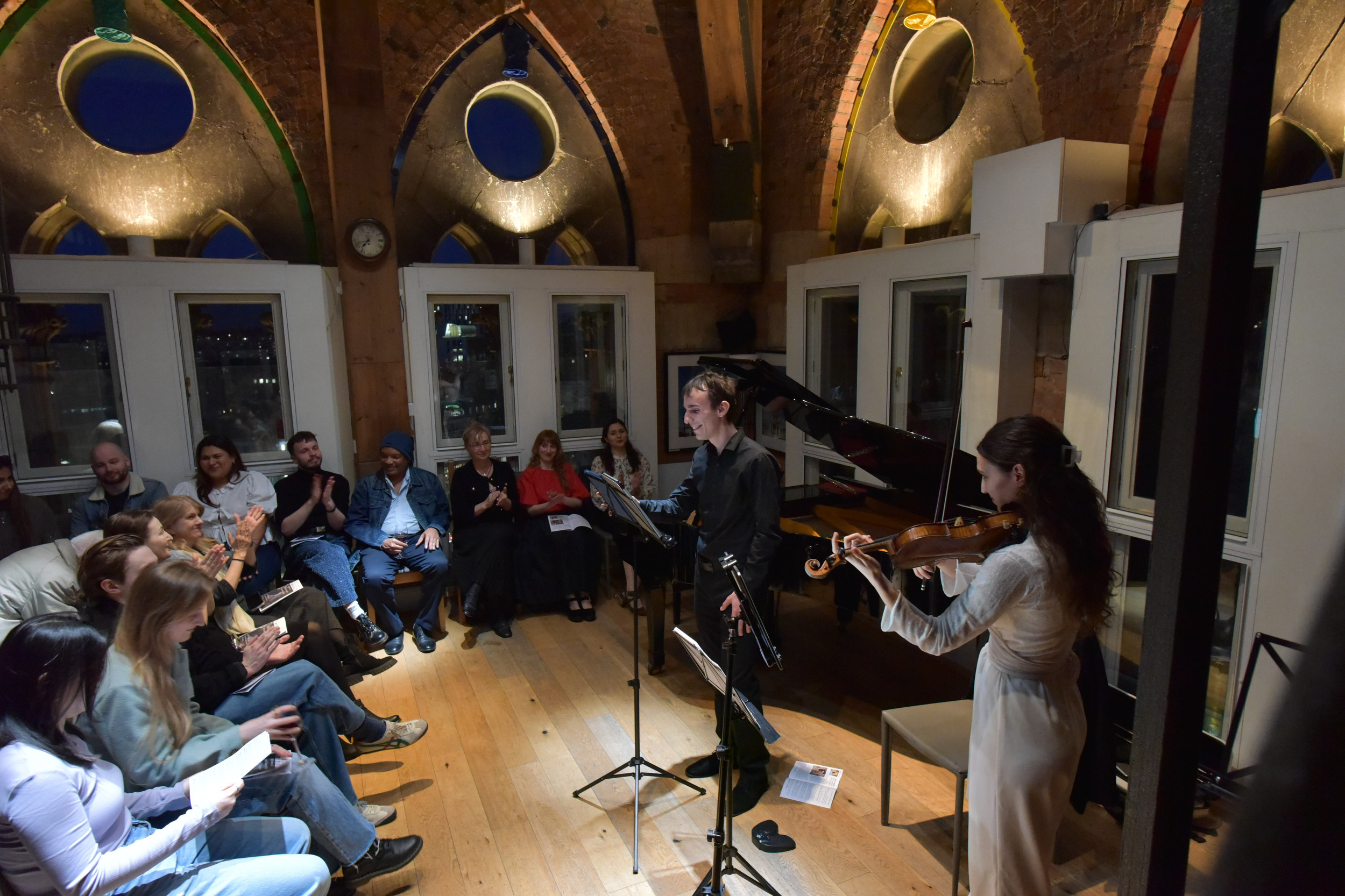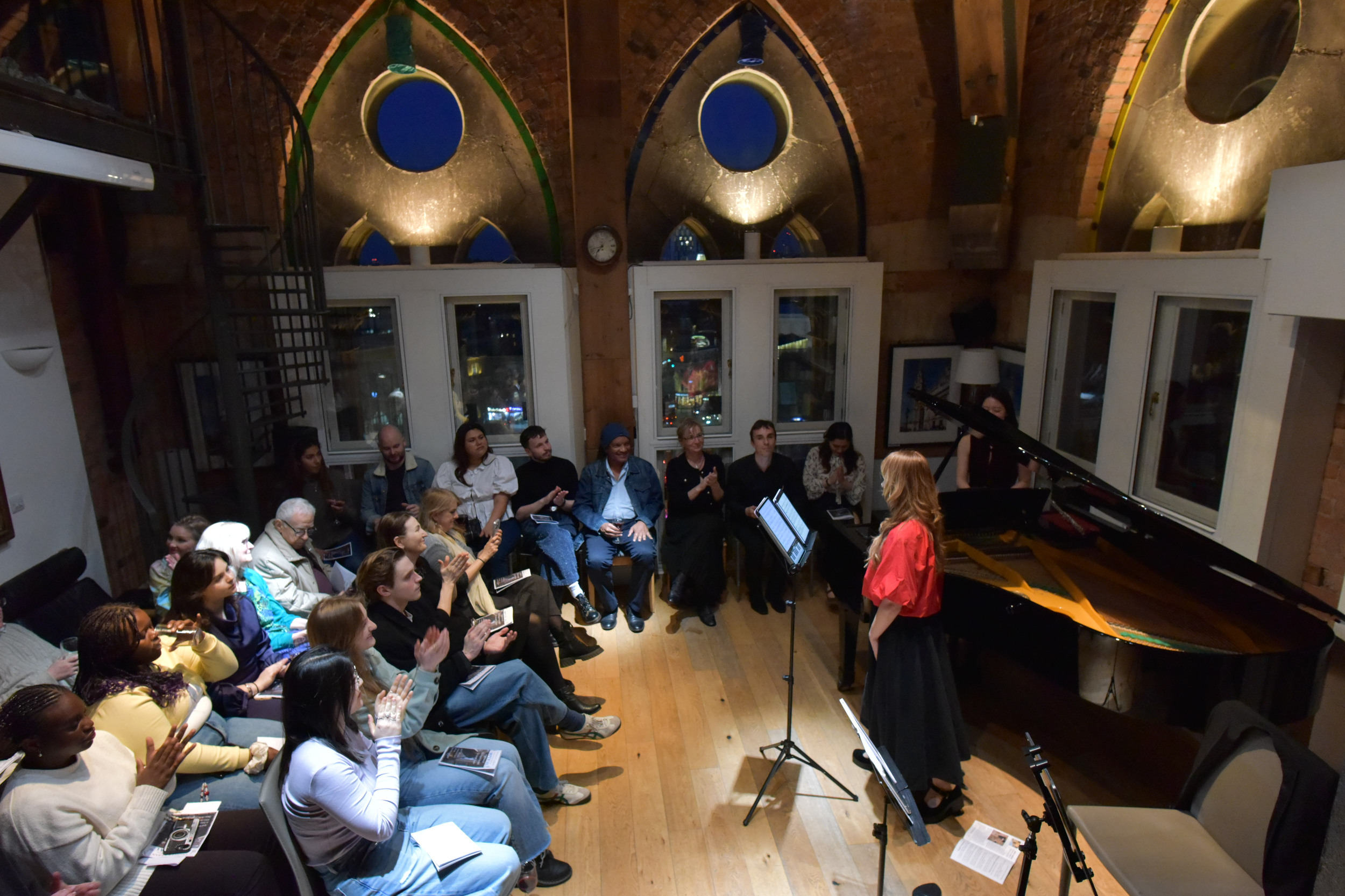
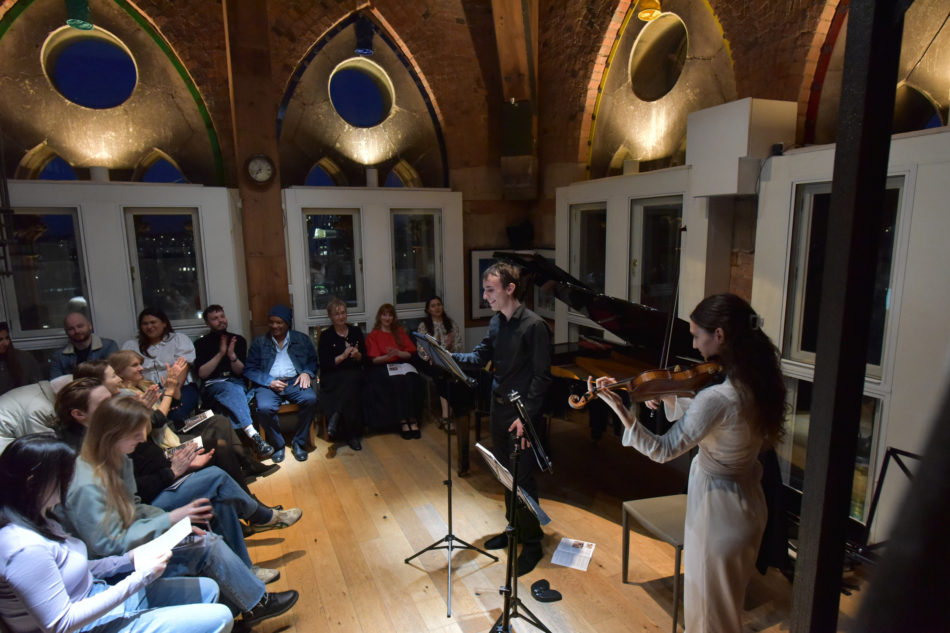

Hidden in plain sight is one of London’s most magnificent architectural treasures: the Clock Tower at St. Pancras International Station. Designed by Sir George Gilbert Scott, it stands as an enduring symbol of Victorian Gothic Revival grandeur, yet it remains largely off‑limits to the public, its arched and round‑framed windows keeping the secrets of the sunrises and sunsets witnessed from within.
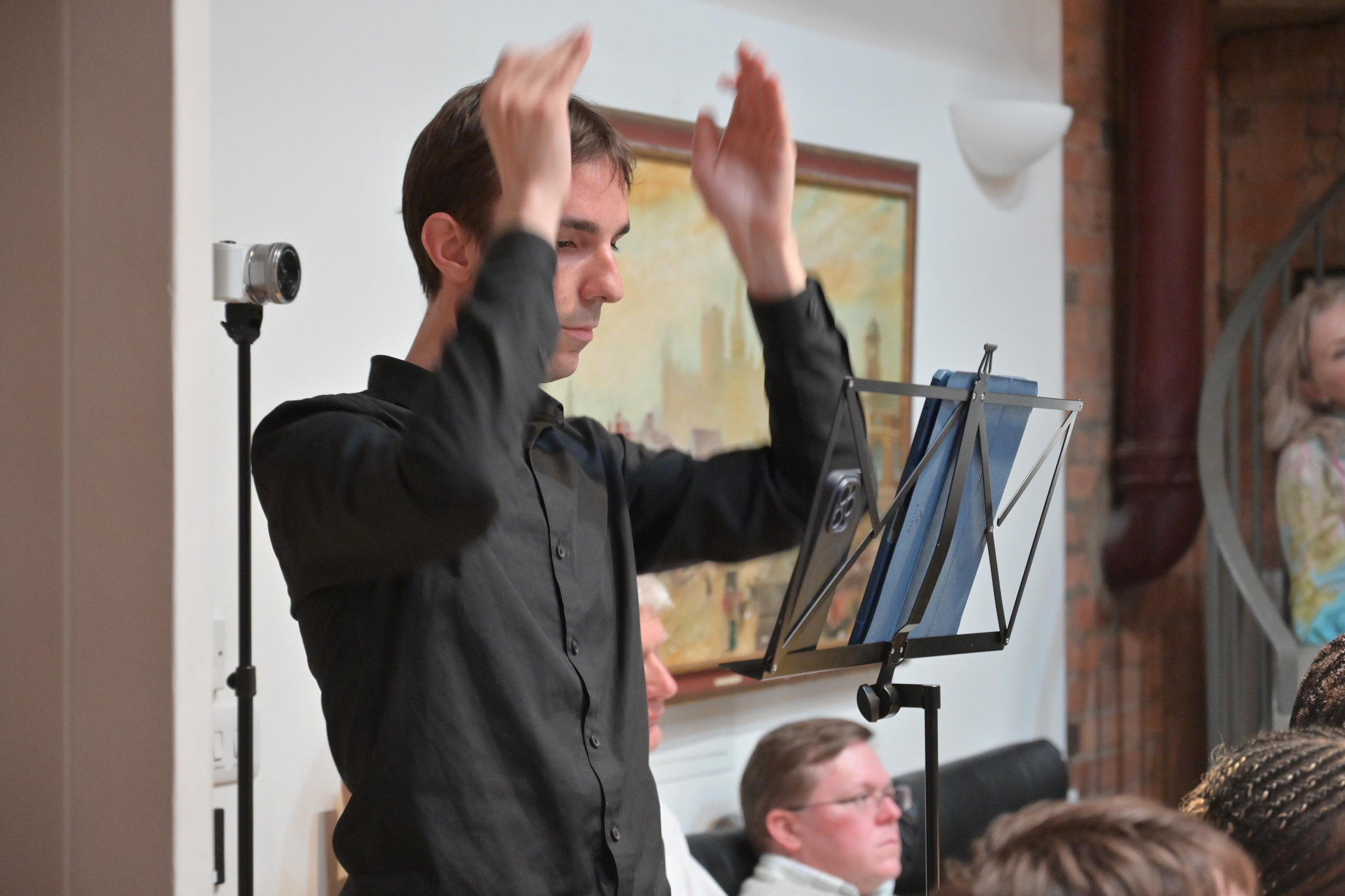
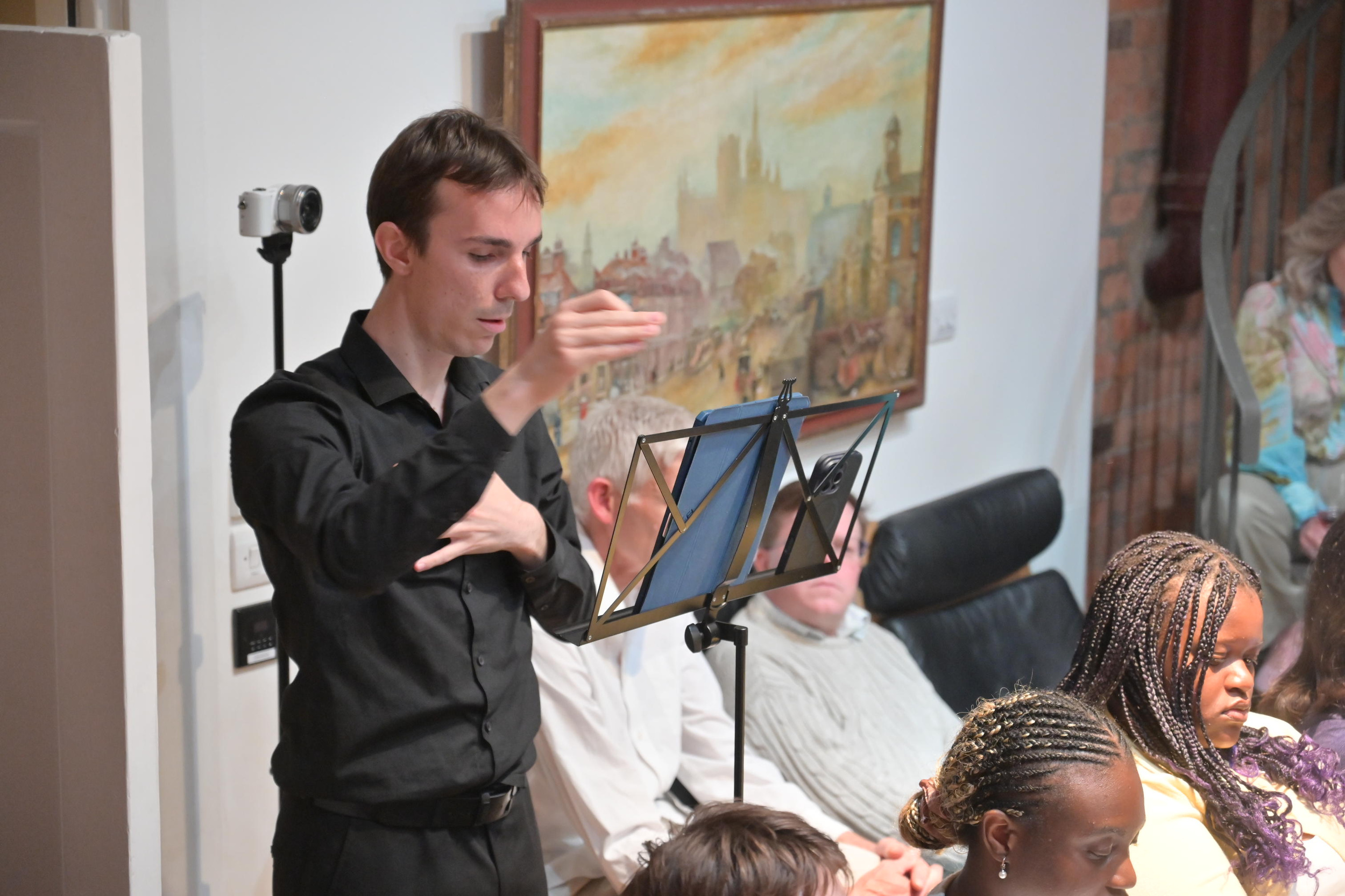
On 9 April 2026, Maundy Thursday in Holy Week, this normally silent landmark was brought to life in the most unexpected way imaginable. It played host to an extraordinary musical event: the second edition of the ViDaNova Ensemble & The Digital Sine Bell concert, curated by Romanian‑British composer and performer David Balica.
This feature recounts that unique evening, where music by Enescu, Holst, Eminescu, and contemporary composers intertwined with ancient devotional texts and modern innovation. Through the voices and artistry of an international group of musicians based in London, the tower became more than a building – it became a vessel for emotion, faith, and connection, bridging centuries and cultures, and turning a forgotten religious observance into an unforgettable celebration of light and sound.
Here is the story of that night.
We had all forgotten it was Maundy Thursday. London was busy, hurried, still wearing a dazed smile in the wake of the Easter celebrations the previous Sunday. Our escape defined itself gradually, unfolding as we found ourselves climbing the stairs of a building none of us had ever entered before.
The Clock Tower at St Pancras Station is not open to visitors. It stands as an architectural landmark we admire and dream about, unaware that from within, one may watch sunrises and sunsets framed by arched, rounded or floral-shaped windows. These were designed by an architect who reshaped the face of England, Scotland and many other countries where he was invited to work, turning them into places of greater beauty.
Sir George Gilbert Scott, working in the Gothic Revival style, designed countless iconic buildings – among them, St Mary’s Cathedral and the main building of the University in Glasgow, and the magnificent St Mary’s Cathedral in Edinburgh. In London, his name is linked to the King’s College Chapel, the Albert Memorial, the Foreign & Commonwealth Office, the restoration of Westminster Abbey, and the construction of the Midland Grand Hotel at St Pancras Station. It is within this magnificent building, crowned by its clock tower, that the most unexpected of events took place on 9 April 2026, Maundy Thursday during Holy Week: the concert performed by the ViDaNova Ensemble and the Digital Sine Bell. This musical journey, now in its second edition, was curated by David Balica, the ensemble’s founder.
Could this experience be even more extraordinary than the first meeting back in October 2025, when we might, to some extent, have had an inkling of the kind of music and emotion awaiting us? Our rational minds might have answered “No”. Our hearts, however, responded instantly: “Yes”.
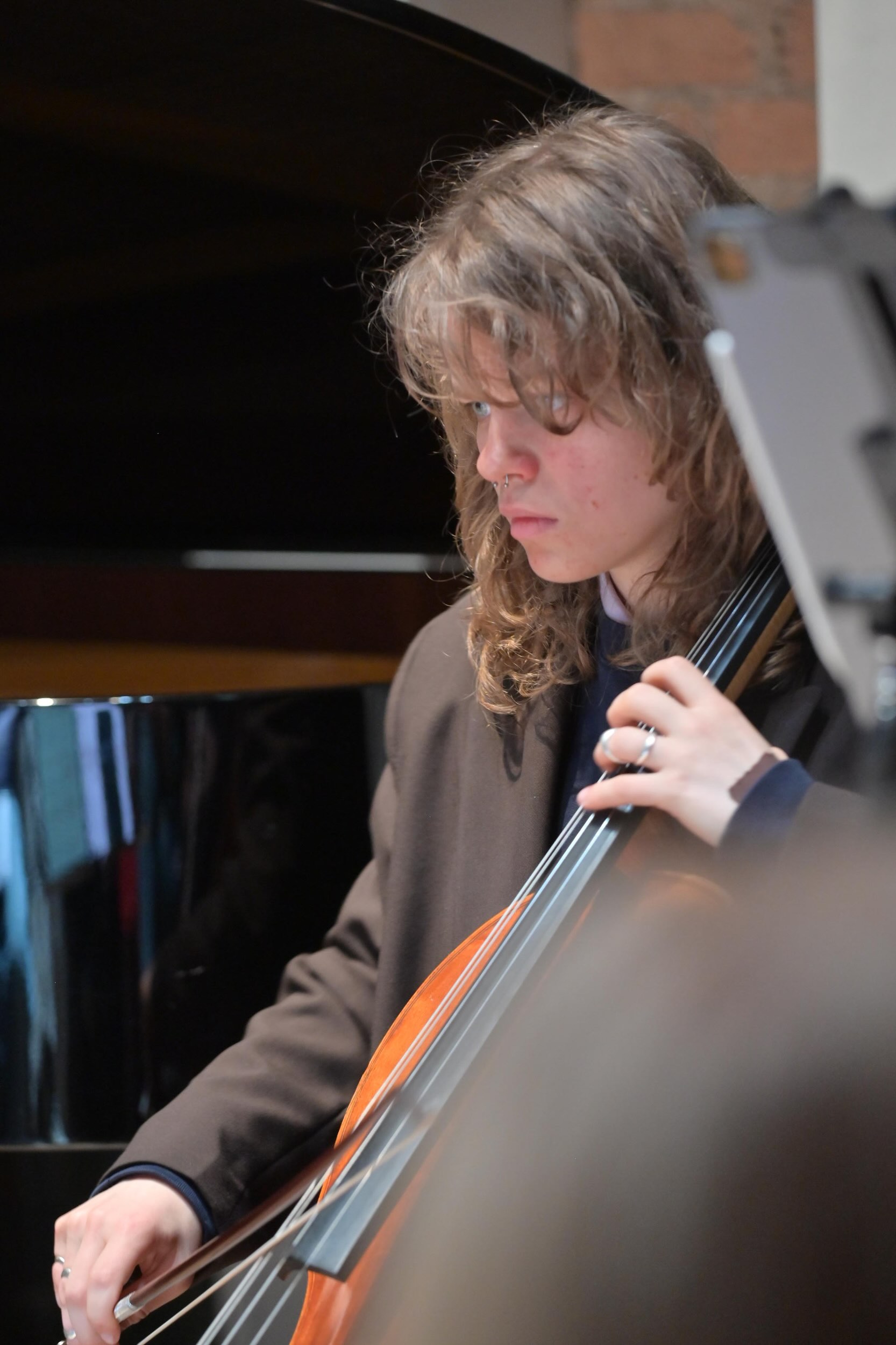
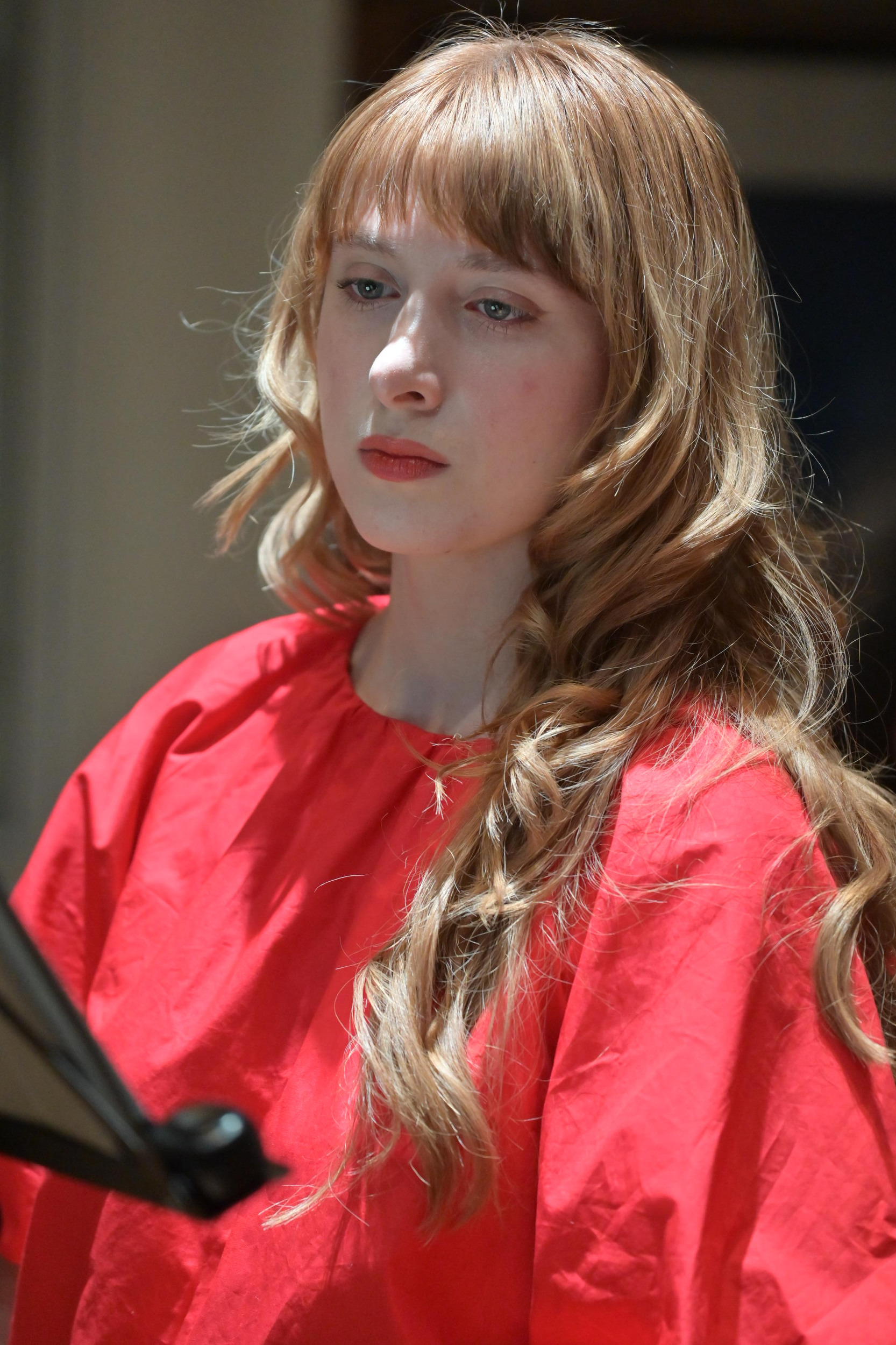
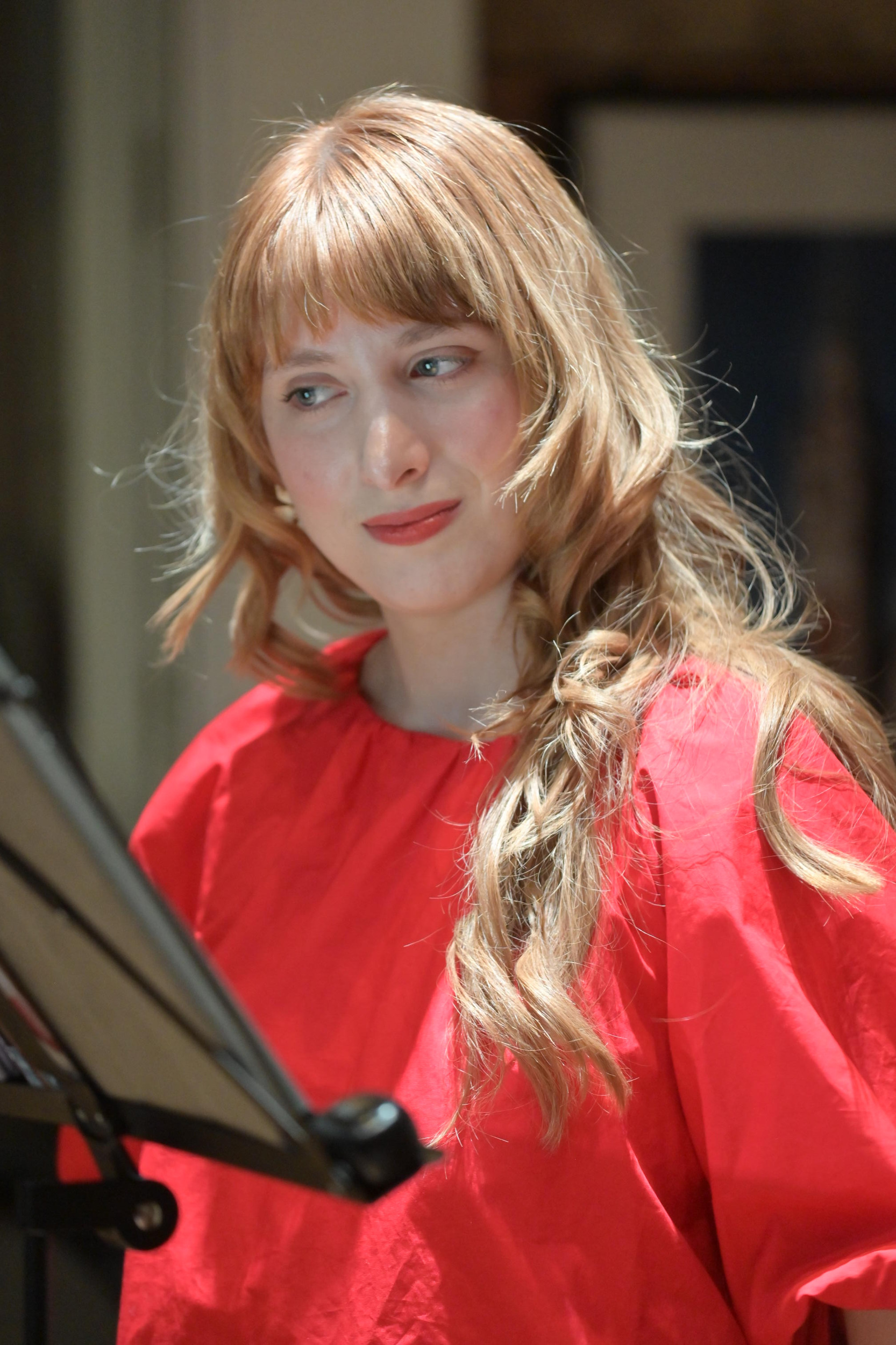
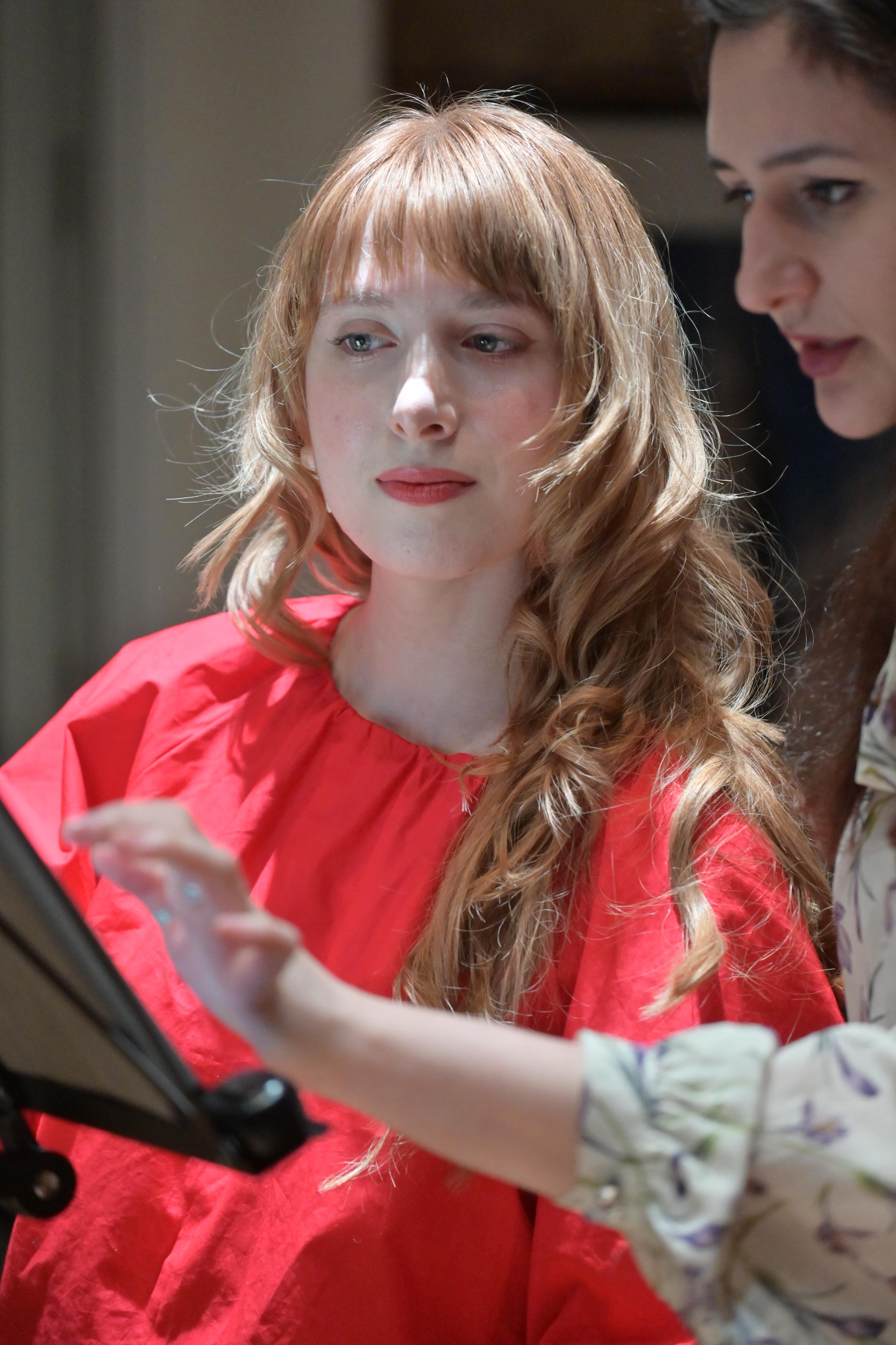
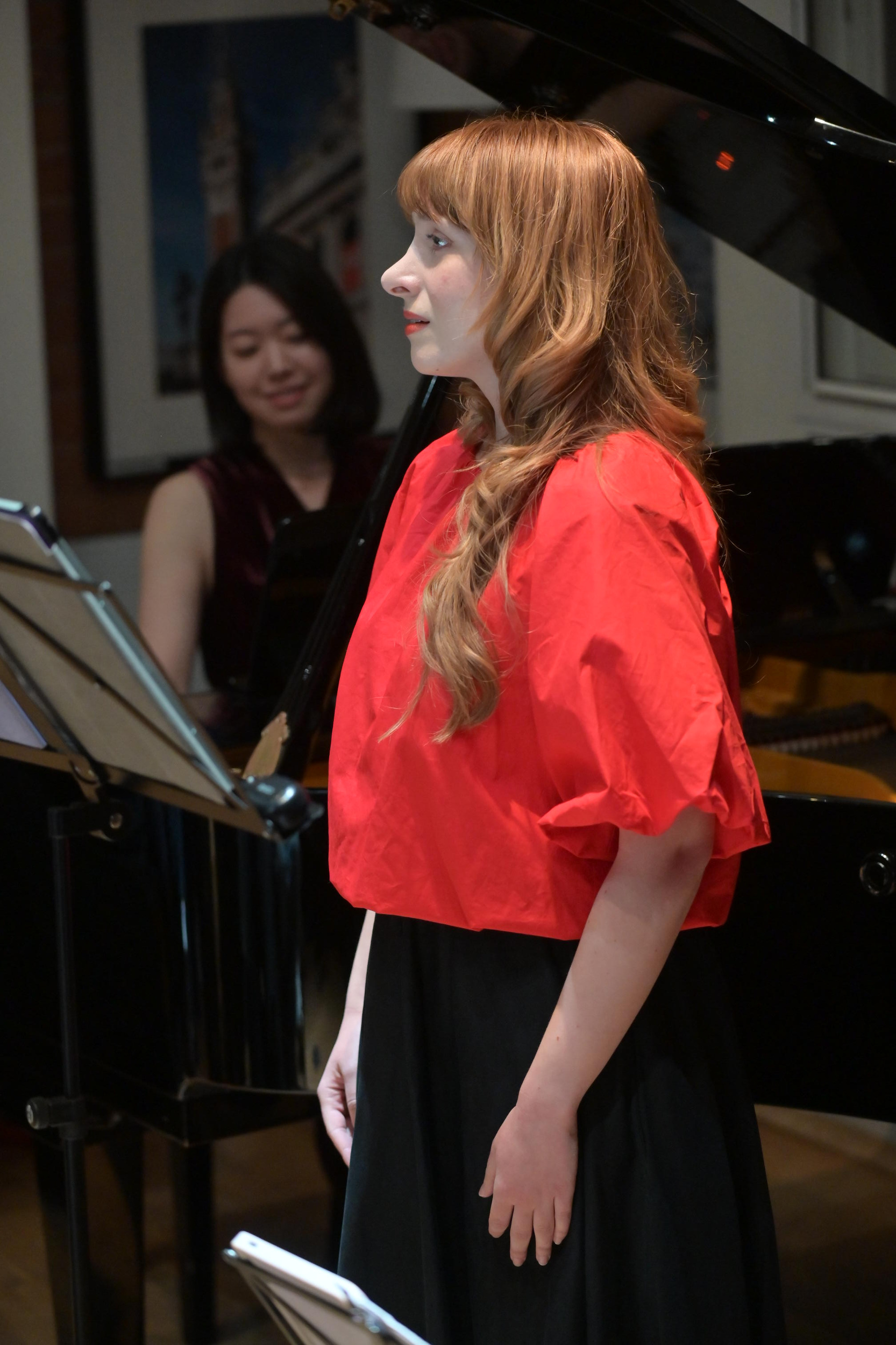
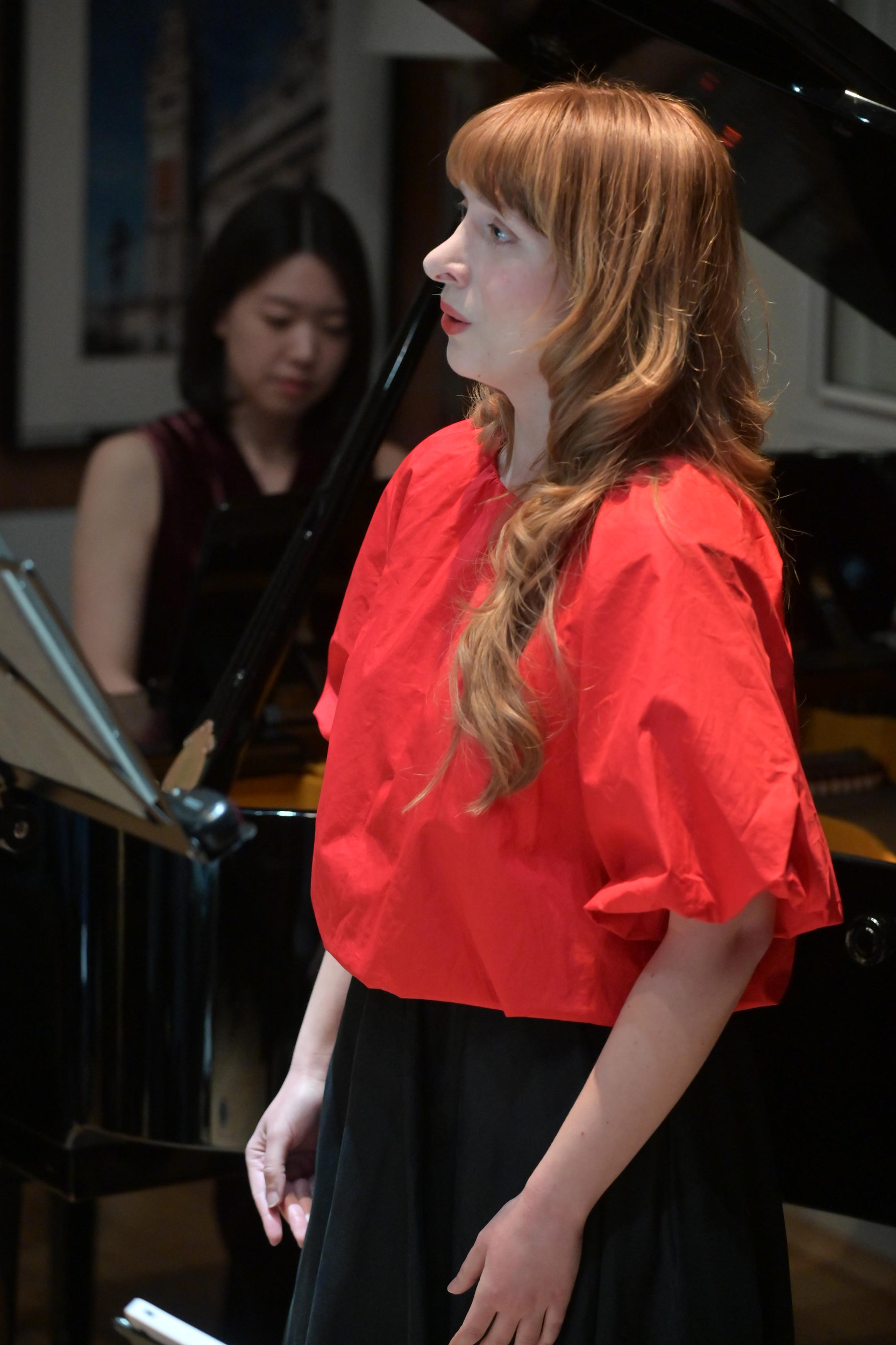
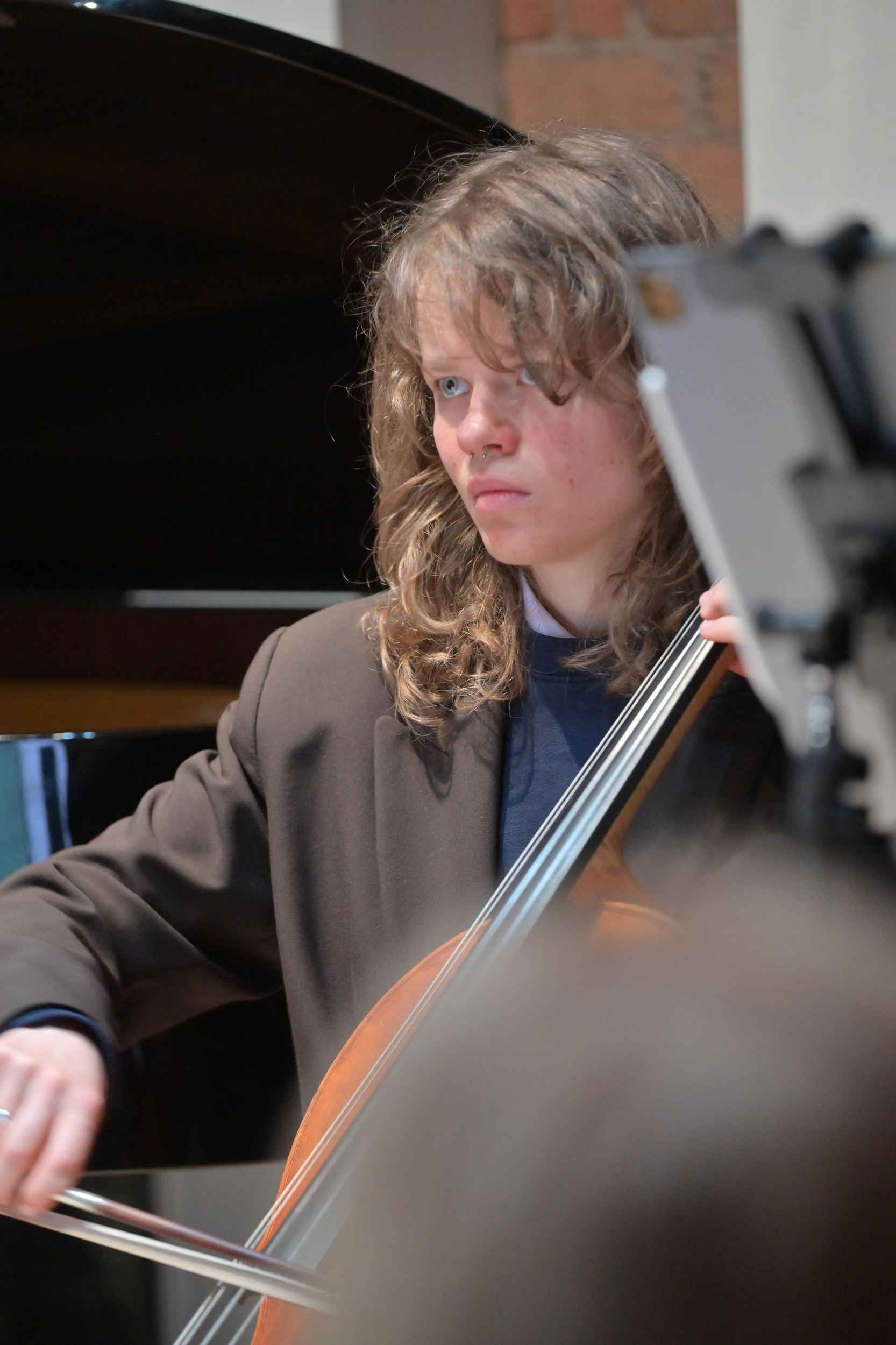
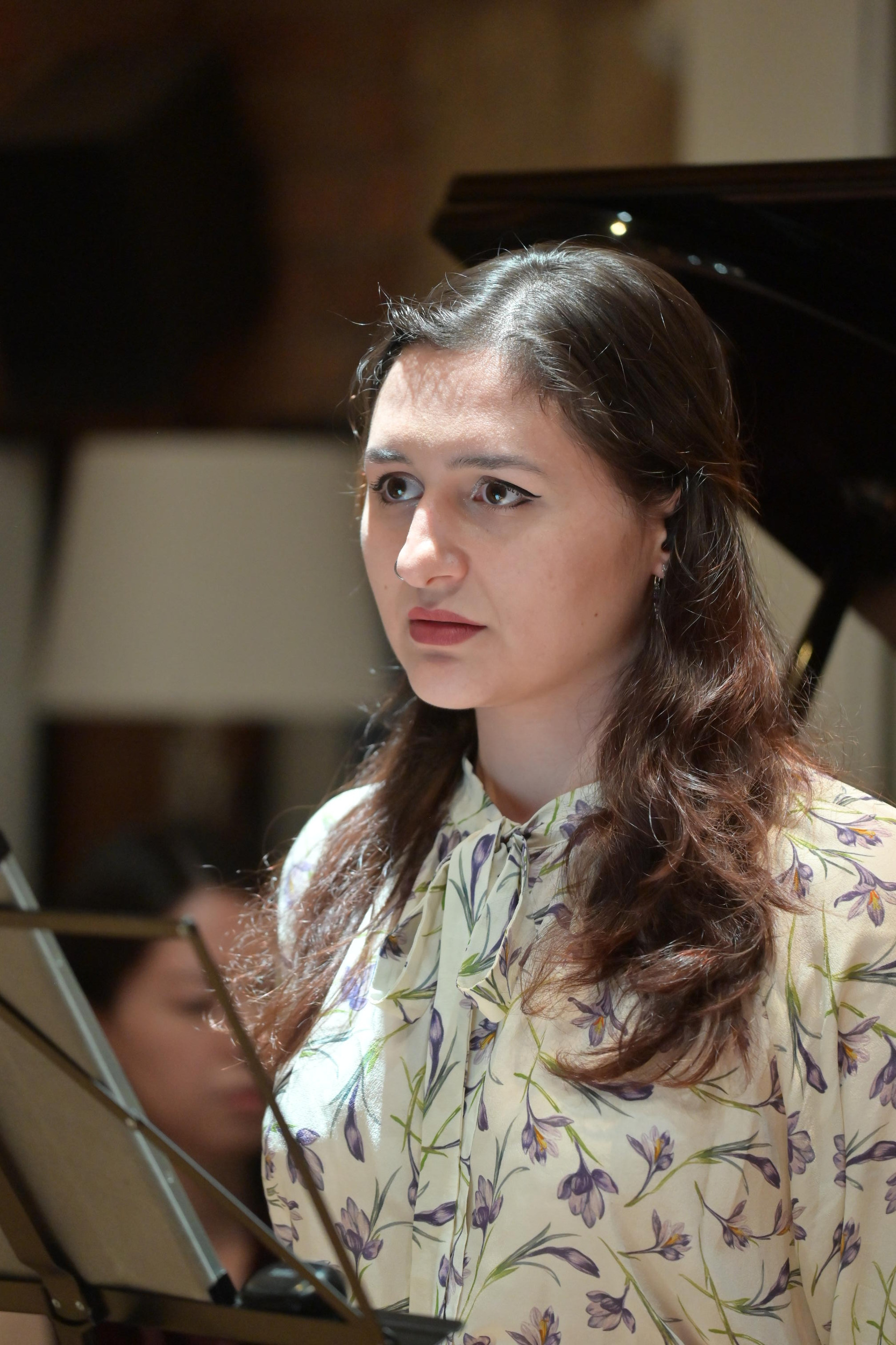
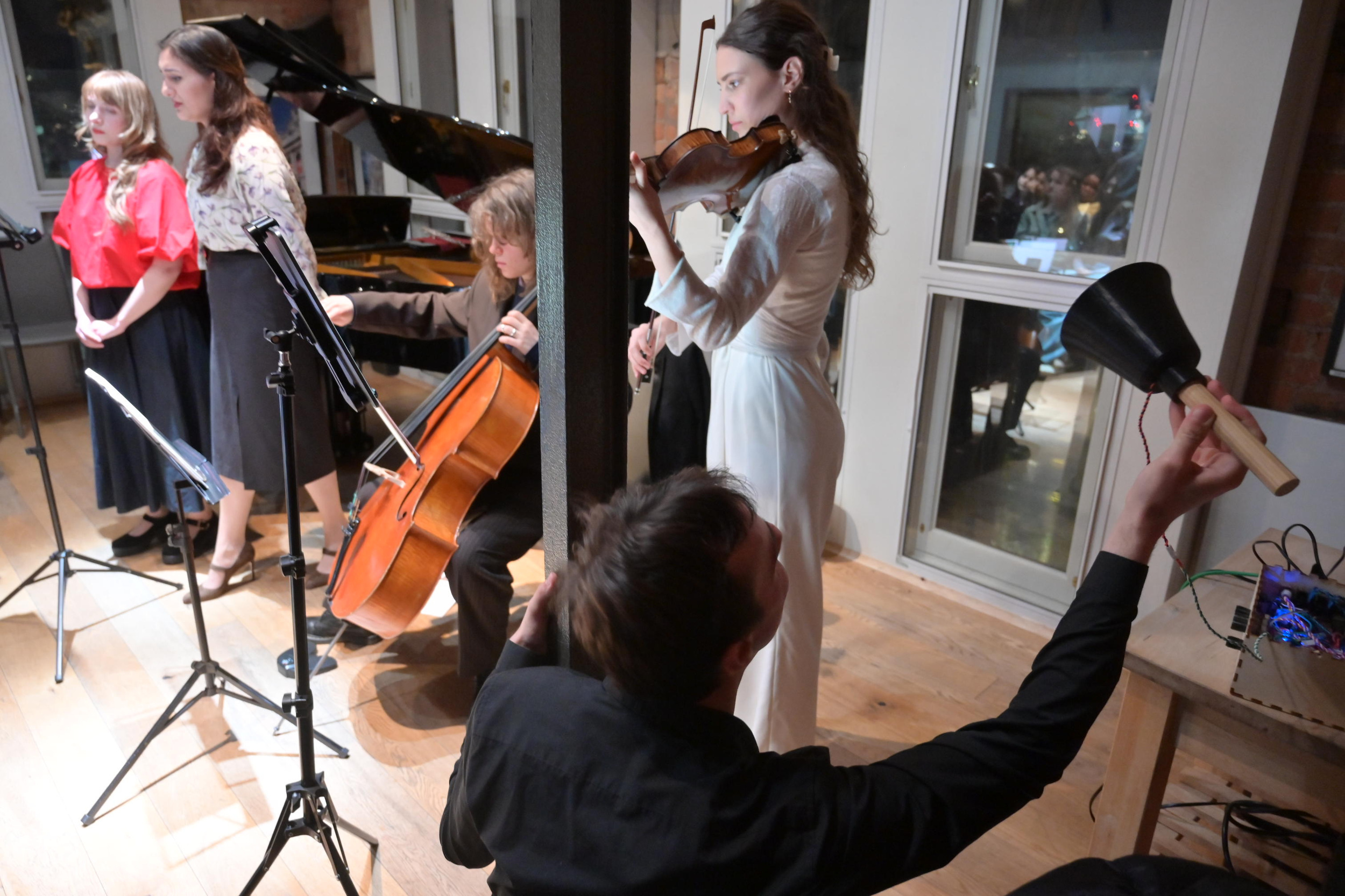
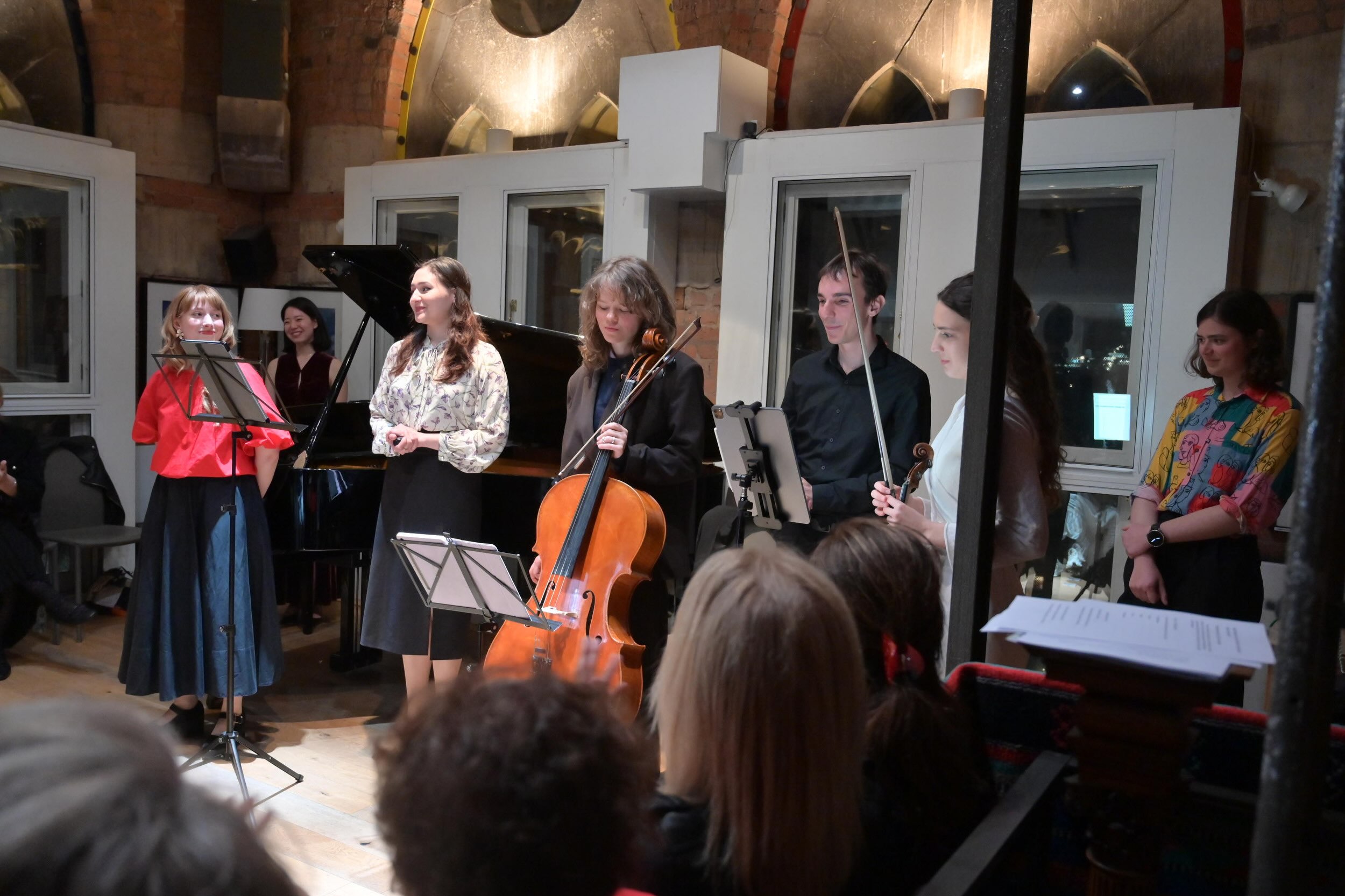
And so it was: we had all forgotten it was Maundy Thursday, yet inside this clock tower – all bells and grandeur outside, all melody within – the programme opened with Ave Maria. It was a rarely performed rendition, more moving than any whispered or radiant hymn ever heard: the setting attributed to Caccini/Vavilov, where the Holy Virgin’s name itself becomes verse and vocal line. It was performed hauntingly by soprano Alisa Mansurova, accompanied on cello by Katie Harrison. In that moment, the noise of the outside world fell silent, and we remembered exactly what day we were gathered there.
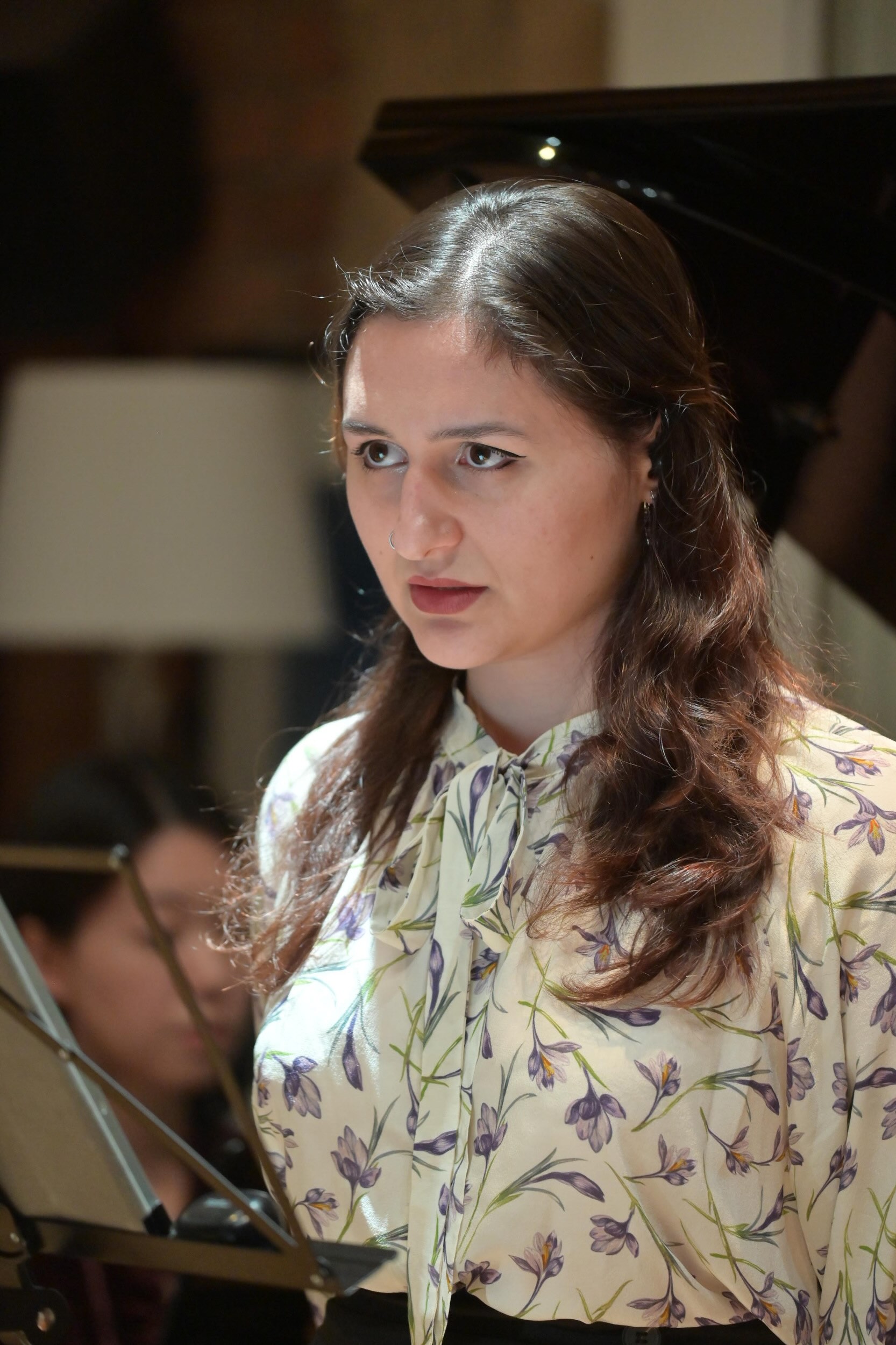
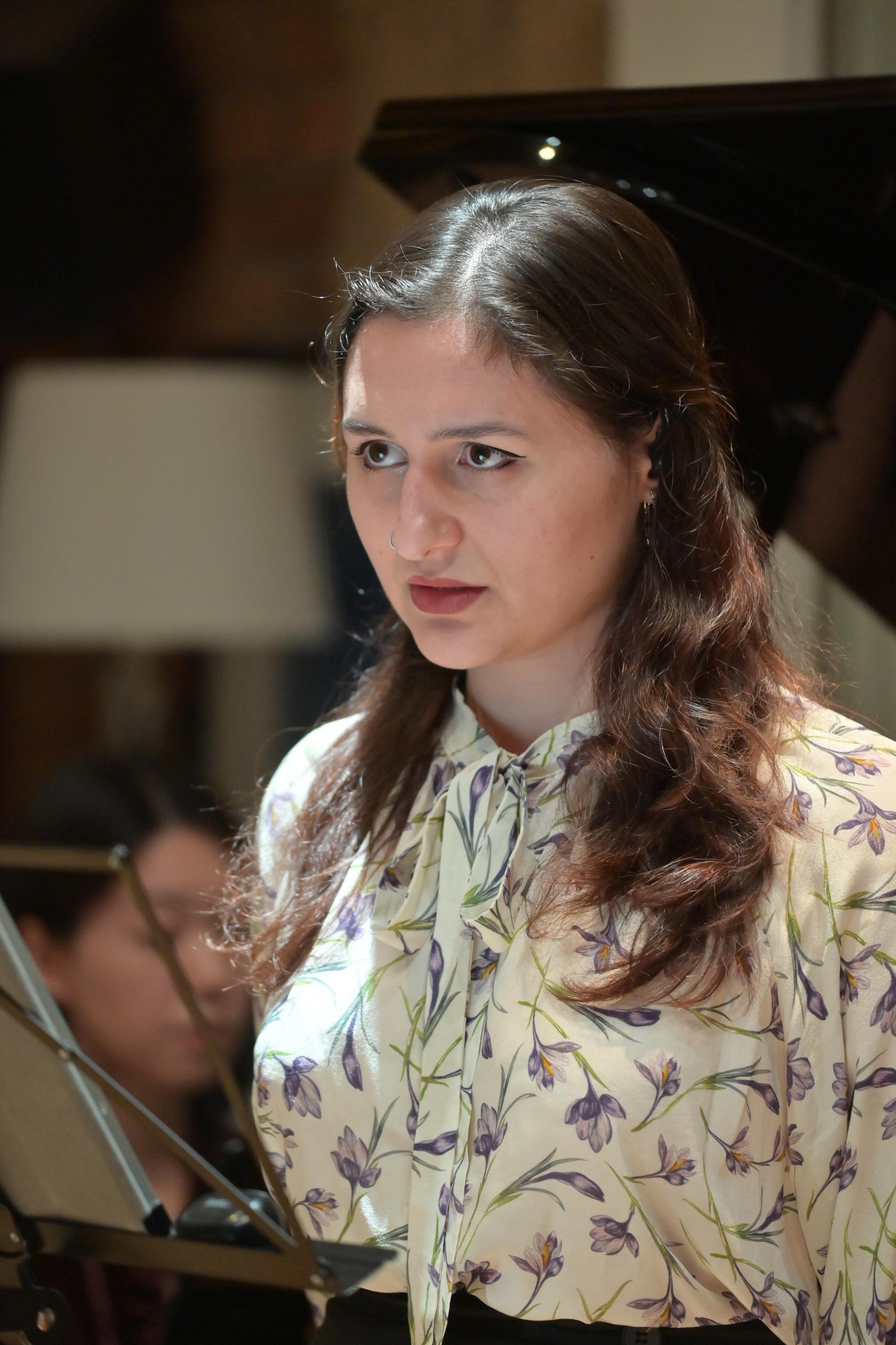
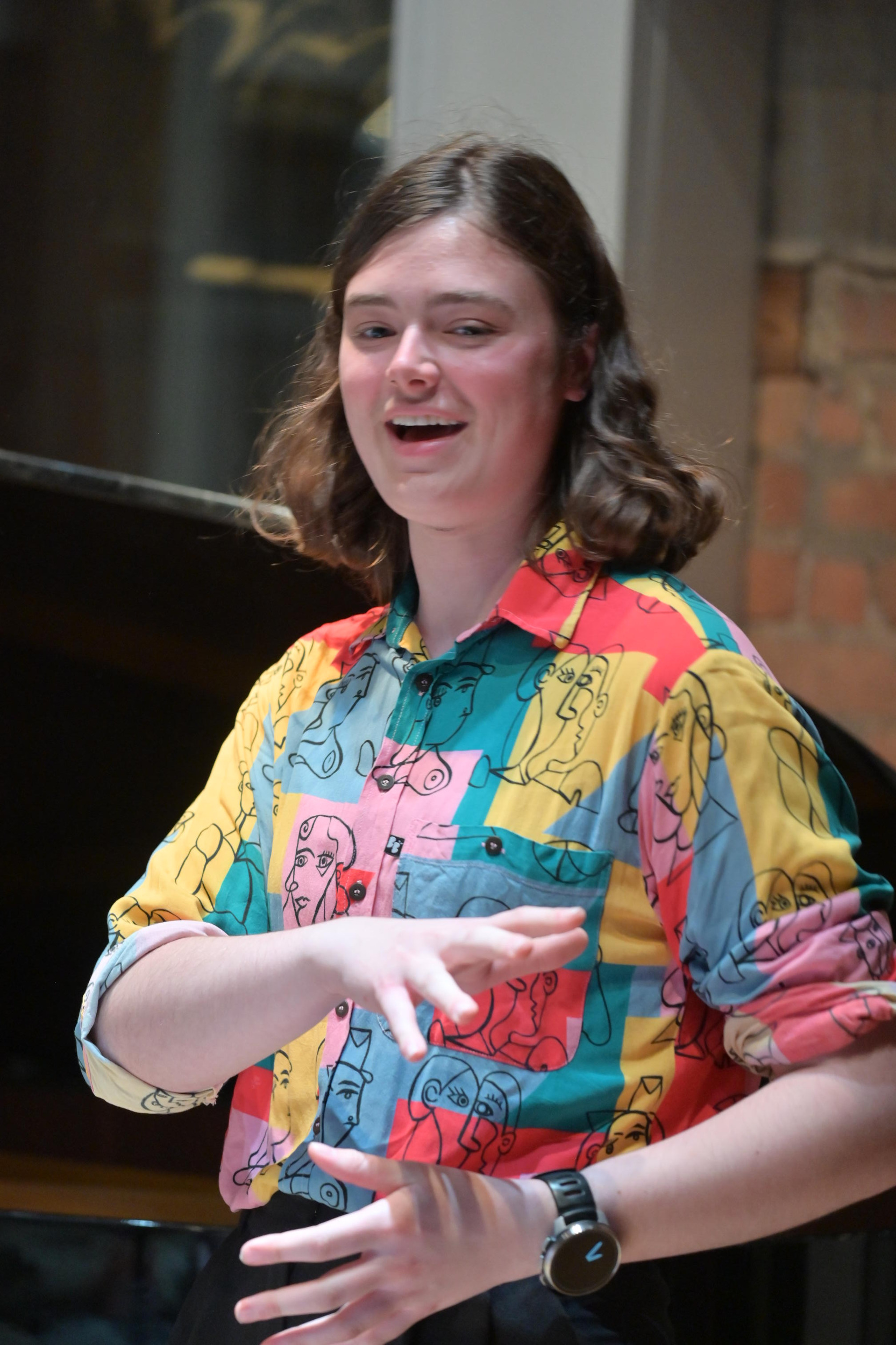
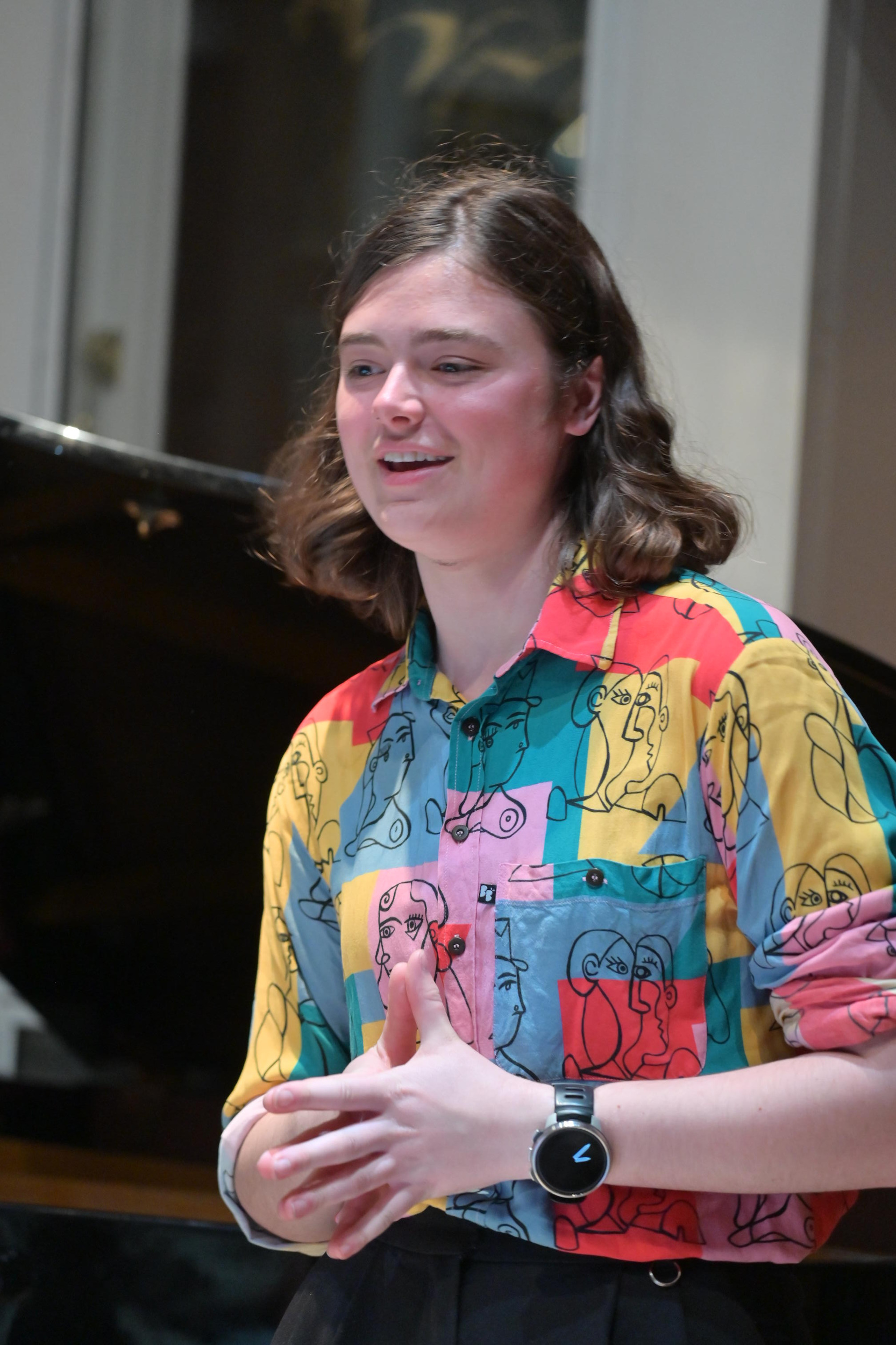
We were then treated to music by George Enescu, and in his songs set to verses by Clément Marot, sung by mezzo‑soprano Ilona Sofia Năstase, every note was steeped in faith and love. Present de couleur blanche (A Gift of White) naturally became an emblem of the Holy Spirit (“Present, present de couleur de Colombe, Va où mon Cueur s’est le plus adonné!” – “Gift, gift of the colour of a dove, Go where my heart is most devoted!”), while the love expressed in Languir me Fais refused to retreat, as if standing before the Crucifixion itself: “Plutôt mourir que changer ma pensée…” – “I would rather die than change my mind…”
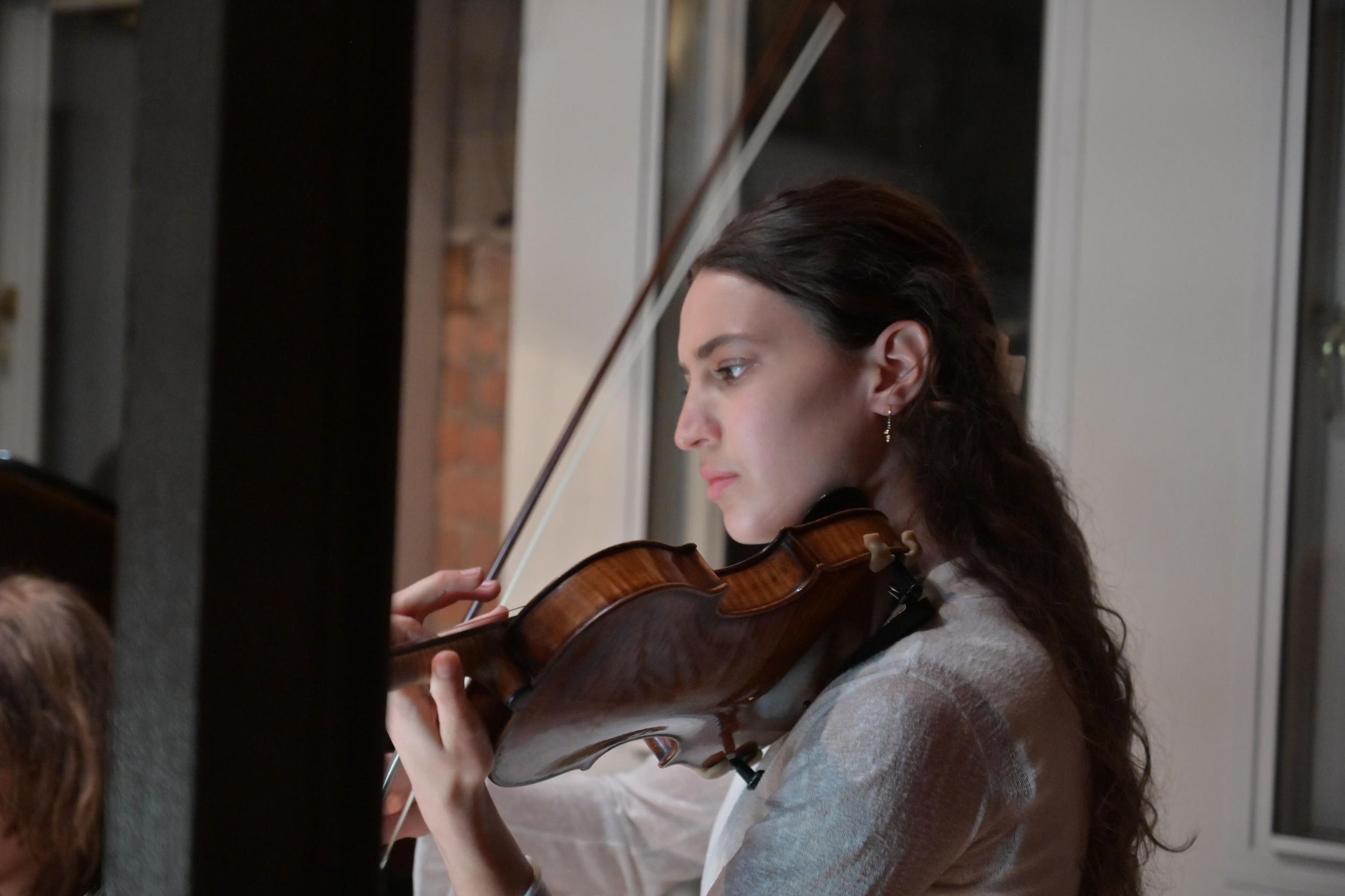
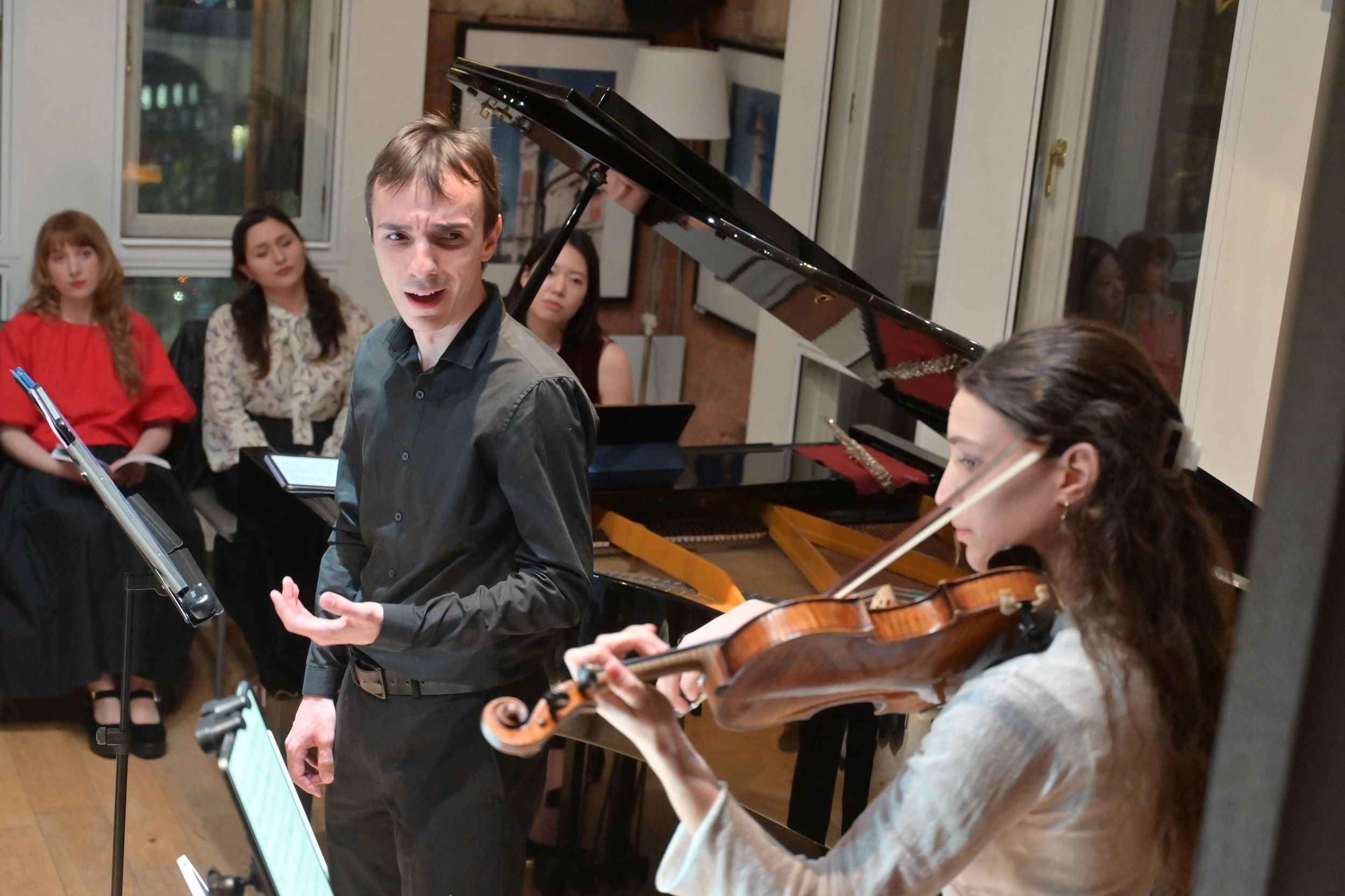
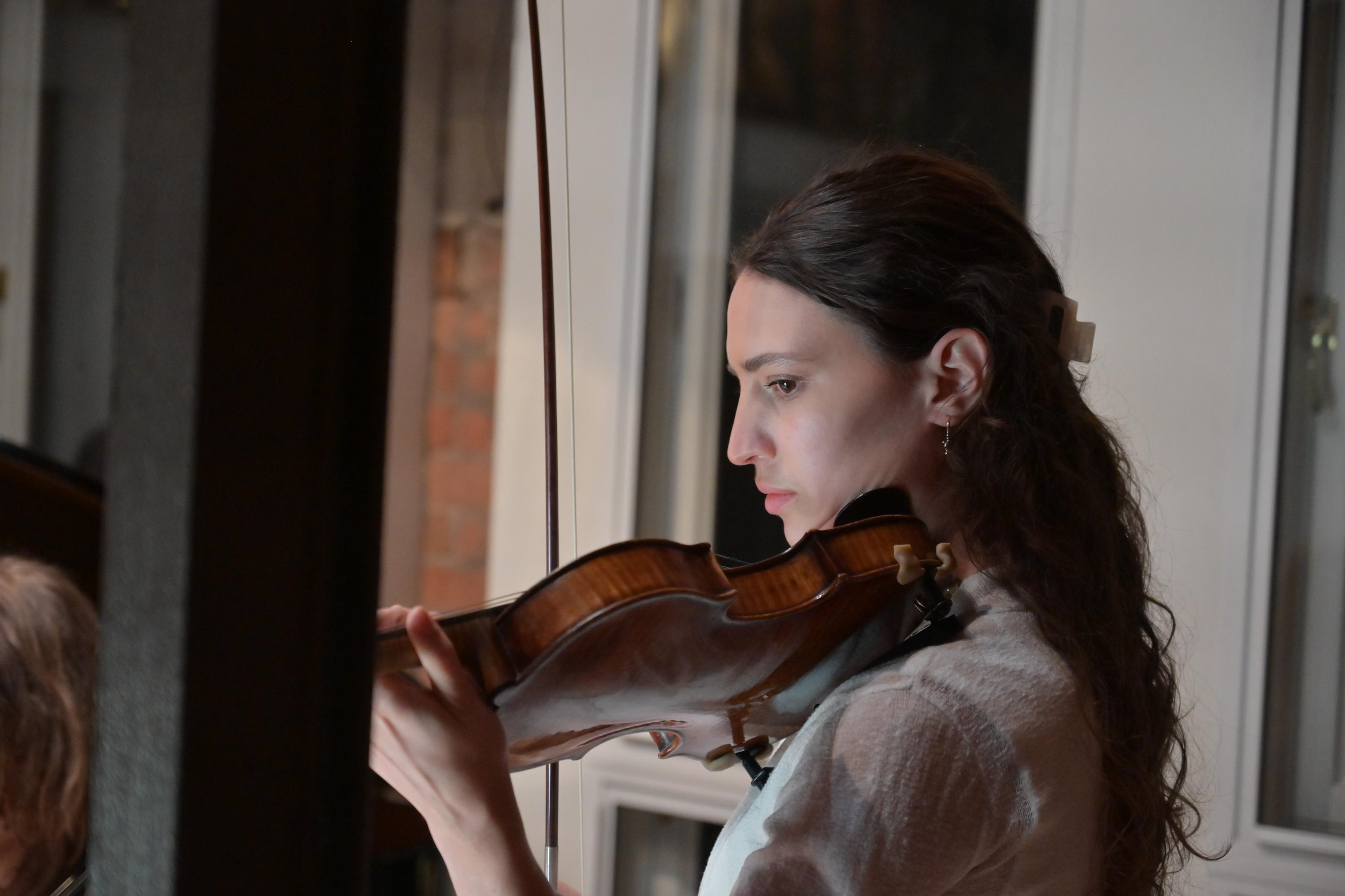
Baritone David Balica, through his voice and the words of Gustav Holst, invoked the gentle figure of Jesus: “Jesu Sweet, well may he be That in Thy bliss Thyself shall see: With love cords then draw Thou me That I may come and dwell with Thee”, accompanied on violin by Anna Zaffagni.
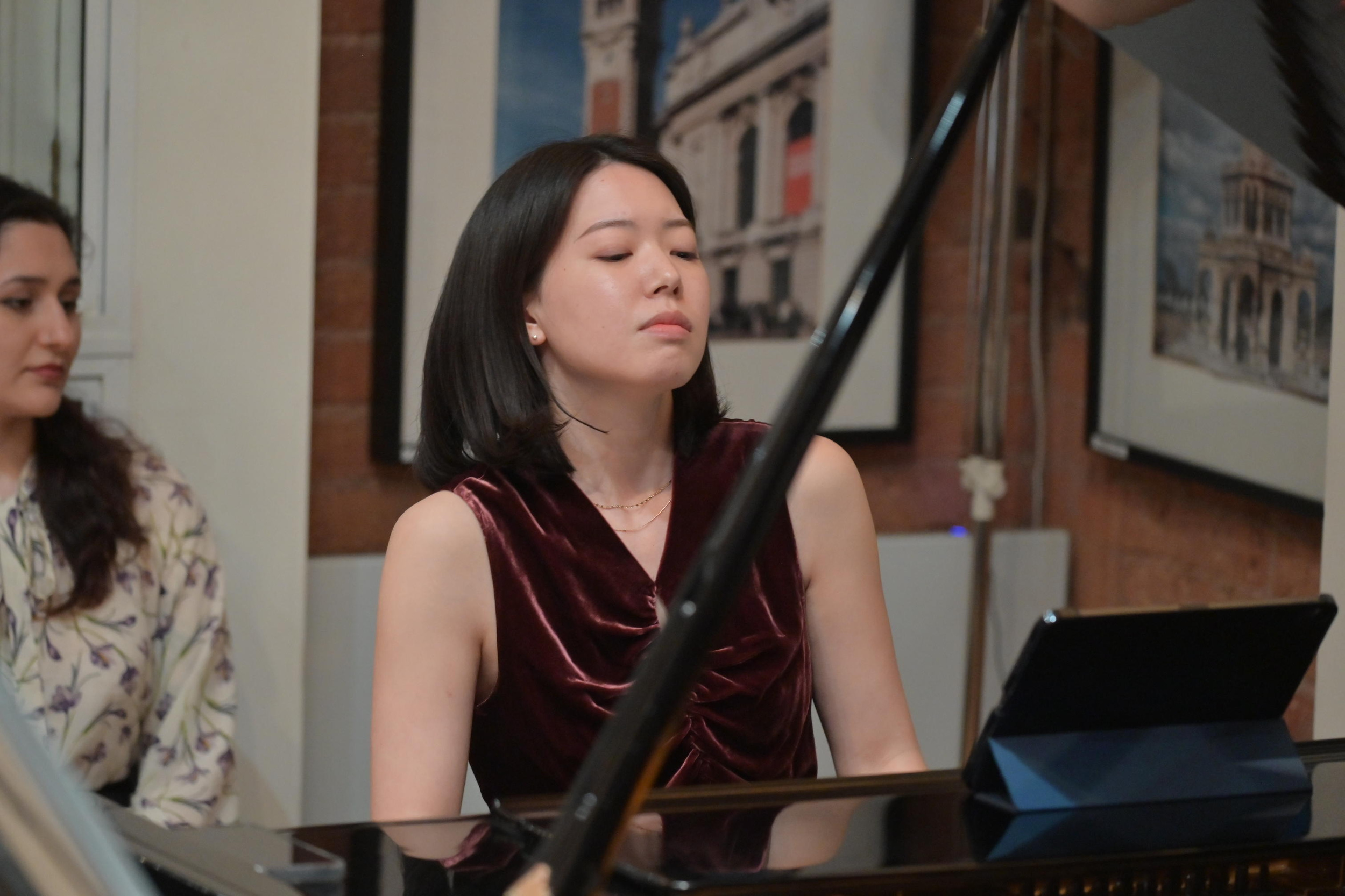
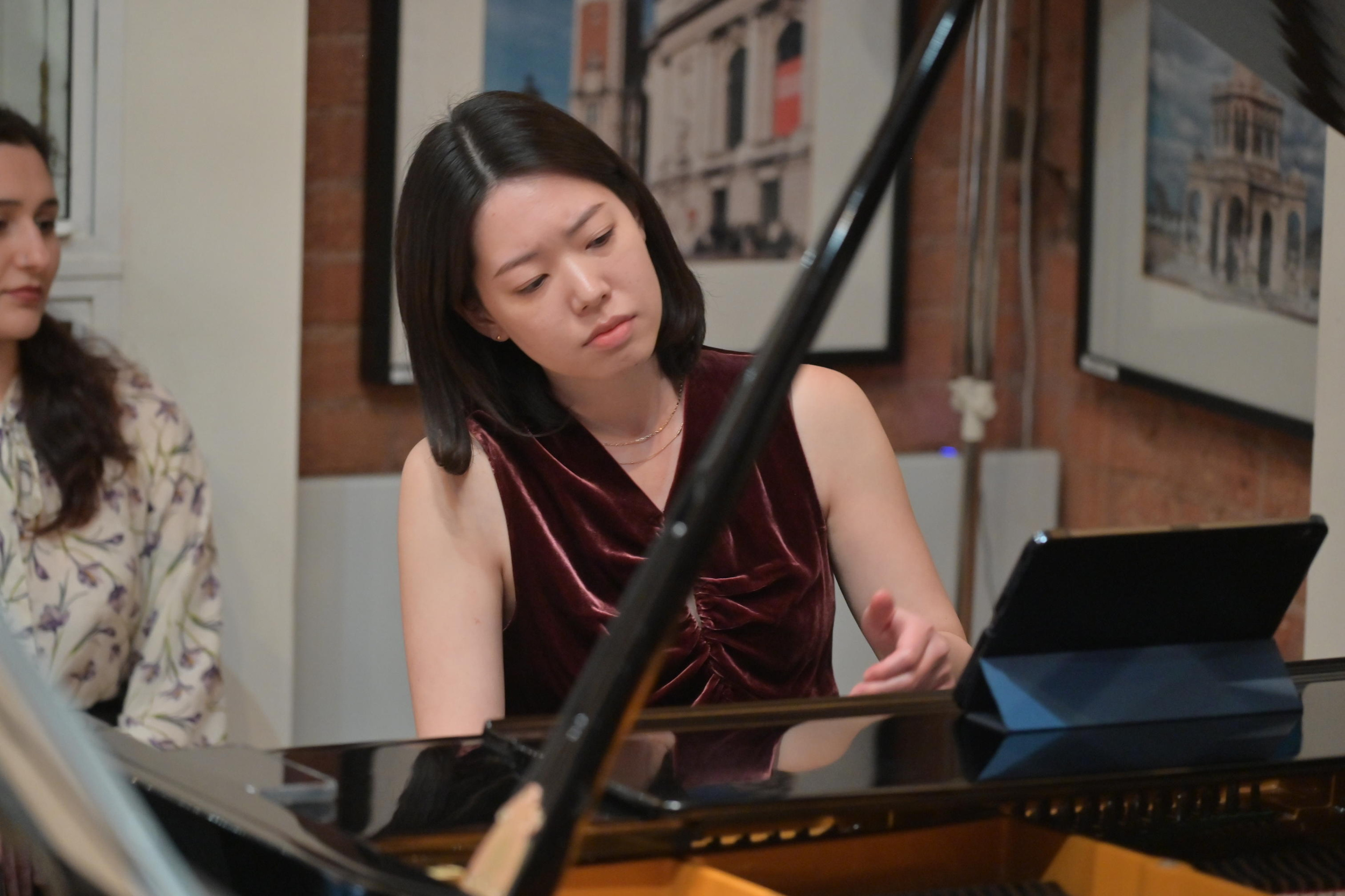
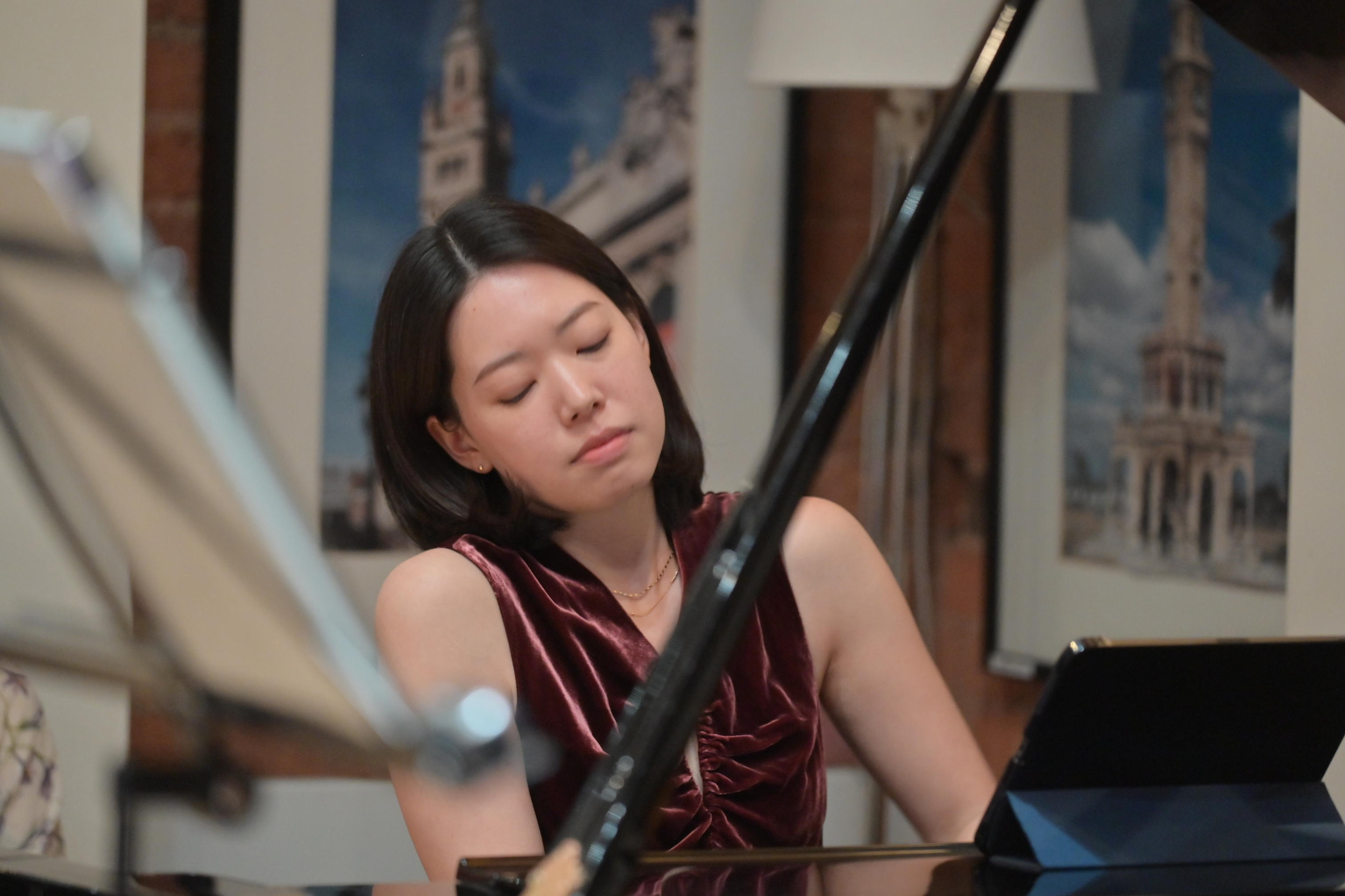
The silence of the Last Supper was echoed in the compositions Echoes of Silence performed by pianist and flautist Yuri Inoshita. We all gathered at this feast of sound, poetry and twilight, woven into the young artist’s music. Then followed Ode in Ancient Metre by Mihai Eminescu, reimagined under the title My Dreaming Eyes, set to splendid music composed by David Balica. It brought clarity to rhythm, words, wonder and sorrow, redefining the Crucifixion – and, praise be to Heaven, the inevitable Resurrection – in the Romanian language, through the voice of Ilona Sofia Năstase accompanied on piano by Yuri Inoshita: “Când deodată Tu răsăriși în cale-mi.” “When suddenly You rose before my path…”
We listened to Bell Prelude by Zsolt Balint and works by David Balica- Aether Nexus and Linea Temporis – as though we had been transported to the Garden of Gethsemane. Ancient trees rustled and bowed their branches to the music. It seemed as if Jesus wept in prayer, or perhaps it was the olive trees themselves that wept, and the Stone of Agony groaned. The soloists’ voices polished the strange syllables of suffering until they transformed into a smooth, delicate ringing sound, that of a digital bell gliding along the line of time. It bridged the ethereal and earthly worlds, turning death into life, betrayal into truth, and Holy Thursday into the eternal, unbounded Sunday of the Great Resurrection.
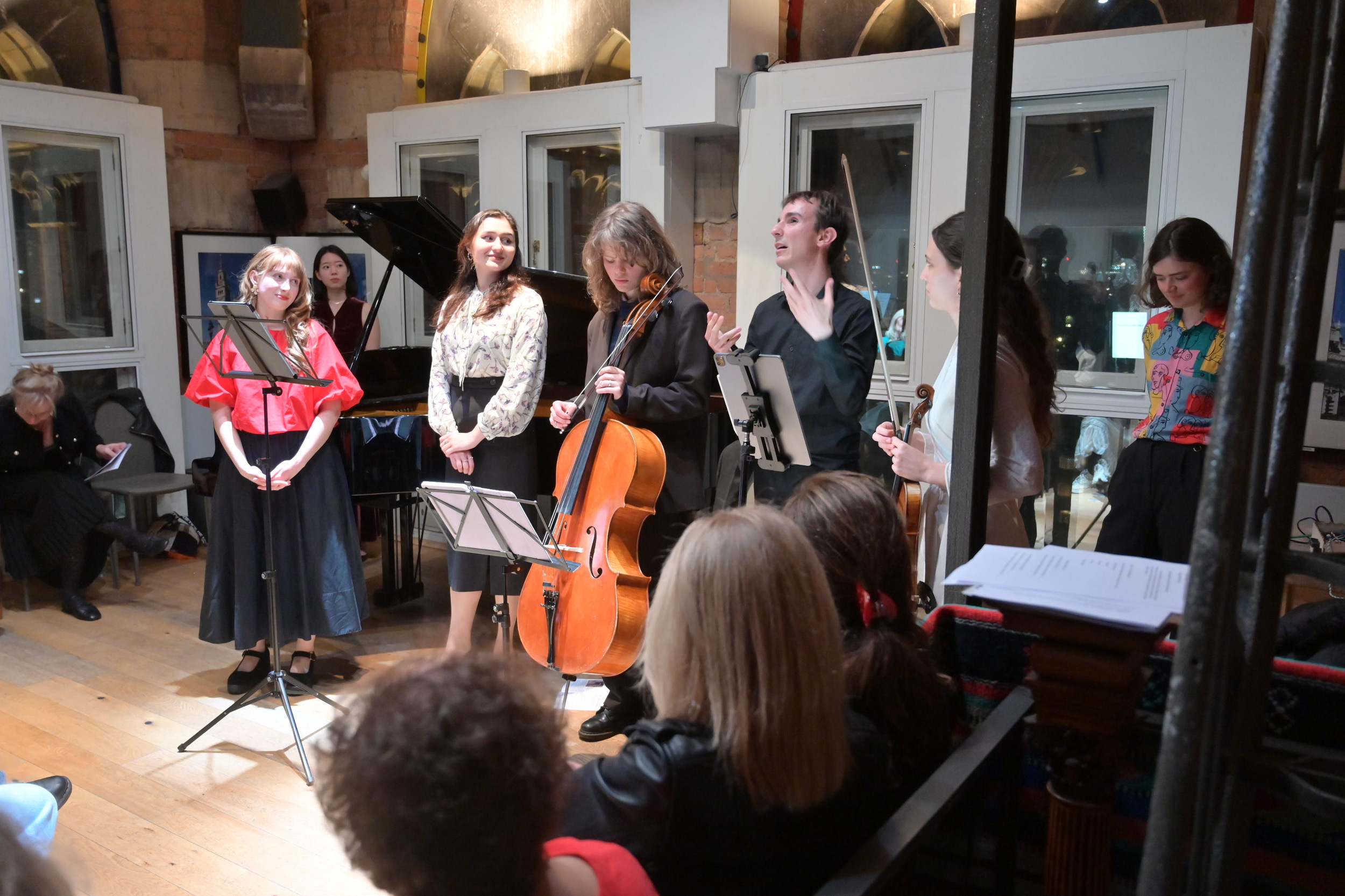
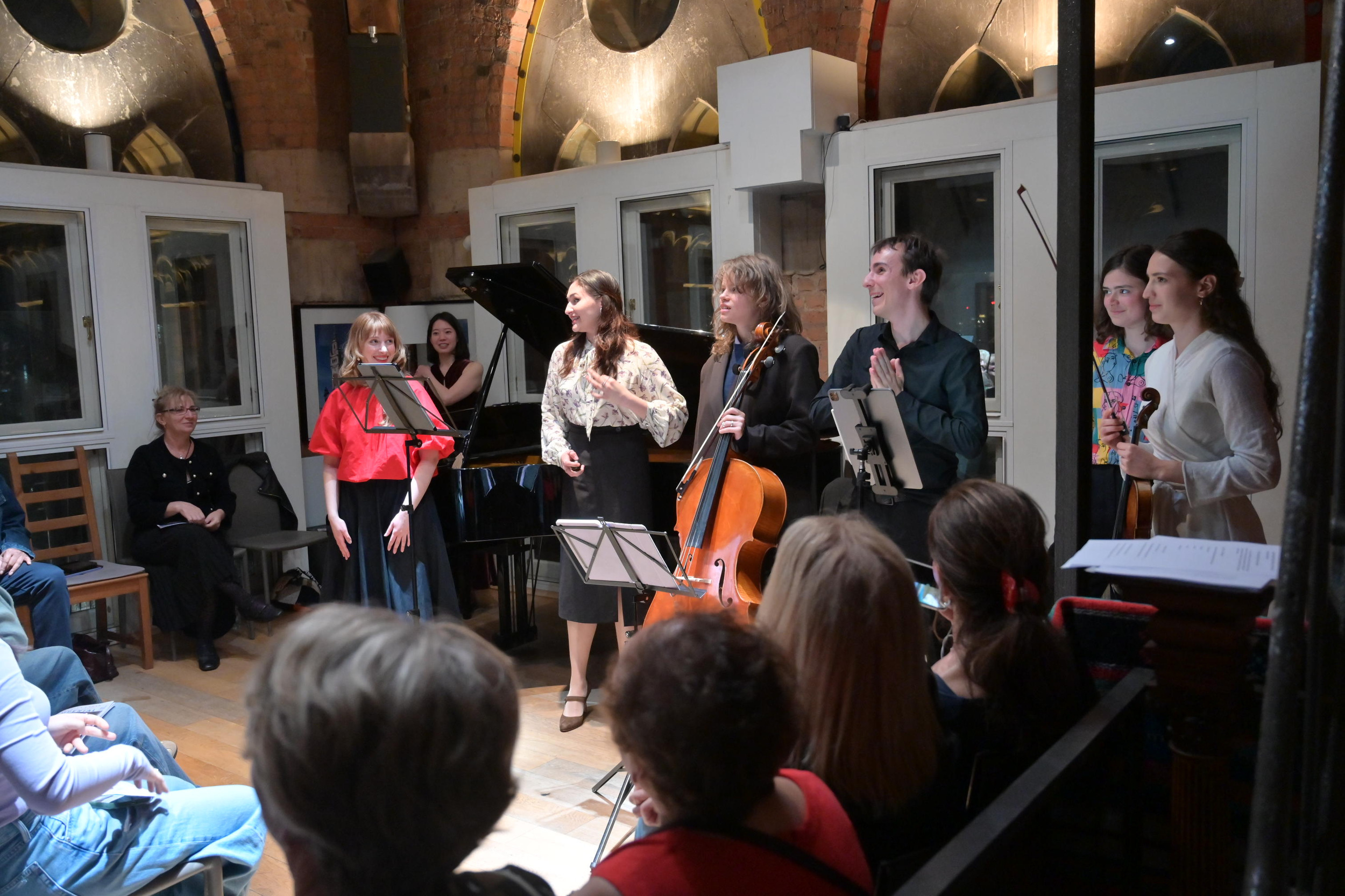
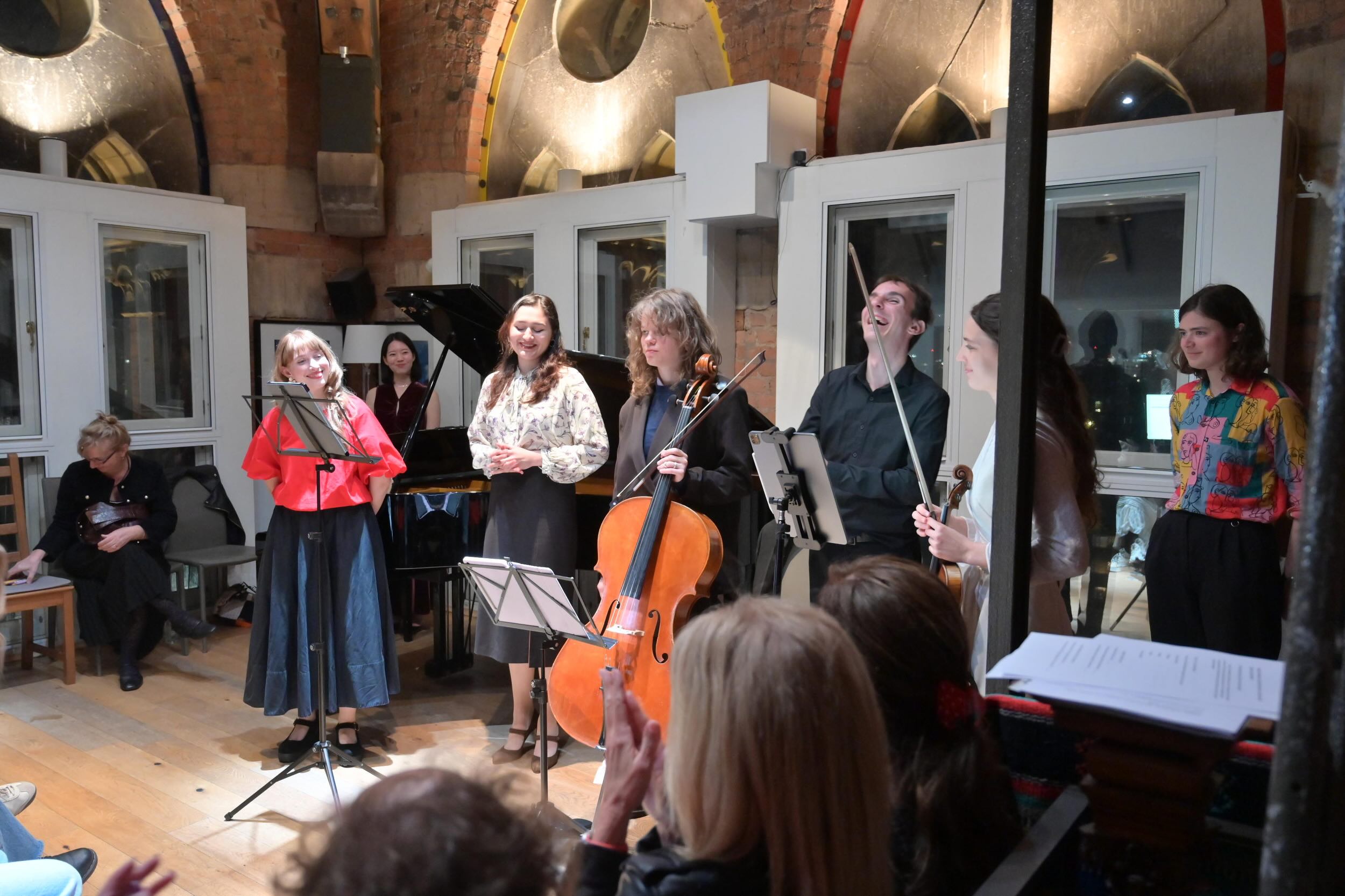
All of this was made possible by the beautiful music of a group of young artists who gathered on April 9, 2026, in the St Pancras Clock Tower:
-
David Balica – Composer and bass-baritone, Romanian-British musician;
-
Anna Silver – Engineer and co-inventor, alongside David Balica, of the Digital Sine Bell;
-
Ilona Sofia Năstase – Mezzo-soprano, London-based Romanian musician;
-
Alisa Mansurova – Soprano, London-based musician from Uzbekistan;
-
Yuri Inoshita – Pianist and composer, London-based Japanese musician;
-
Anna Zaffagni – Violinist, London-based Italian musician;
-
Katie Harrison – British cellist.
Photographs by Paul Buciuta